The Race to the Bottom — and What Comes Next?
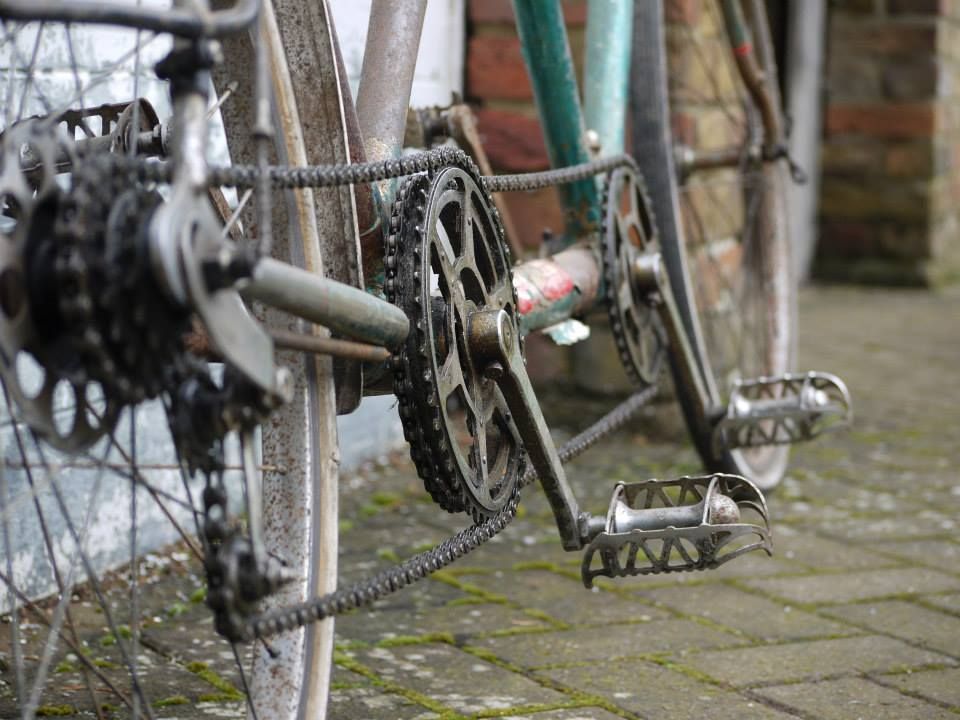
The bicycle was one of the last affordable forms of transport that ordinary people could maintain and repair themselves.
The Race to the Bottom — and What Comes Next? Part 1
"We need to recognise what's happening in the bicycle and e-Bike industry and be honest about the forces driving it."
The forces controlling the economics of the e-Bike marketplace
The economics of the marketplace have put manufacturers under enormous pressure to cut costs and remain competitive. In some cases, that has come at the expense of product quality, repairability and the care traditionally associated with the bicycle trade.
Manufacturers are under pressure to compete. Retailers are fighting for margins. Independent bike shops are struggling with rising costs. Everyone is trying to stay in business.
But who benefits, and who pays the price?
When the System Makes You Think You're the Problem
Matthew Diemer and David Bluestein explore an uncomfortable idea: when people believe society rewards everyone fairly, they may interpret their own disadvantage as a personal failure, rather than recognise the barriers working against them.
The same question applies to business.
Are we struggling because we're doing something wrong, or because the marketplace itself has changed?
Of course, we must take responsibility for the things within our control. But we also need to recognise the wider forces shaping the industry.
Keep one eye on the problems you cannot control, and the other on the opportunities you can.
The Race to the Bottom Has Already Happened
The warning that bicycles could become expensive luxuries, beyond the financial reach of ordinary people, is not new.
In many ways, the race to the bottom began more than ten years ago. Price became a major selling point, and the pressure to compete reshaped the marketplace.
Now we're moving into another phase.
China's business model is already changing the market. Products are being brought to consumers at increasingly competitive prices, and lower prices don't always mean lower quality. The challenge for established businesses is understanding what this means for their future.
Whether this is good or bad for independent businesses, consumers or the environment is a much bigger conversation. But the change is already here.
Lower prices may benefit consumers and help keep measured inflation down, but they also put pressure on traditional businesses and the people who make their living from them.
So, What Can We Do?
We cannot control the global marketplace. We cannot dictate how manufacturers compete or how online retailers price their products.
But we can decide how we respond.
We can continue competing on price, working longer hours for diminishing returns, and hoping things will improve.
Or we can become specialists, offer a premium service, build a reputation, develop a niche and give customers a reason to choose us beyond the price tag.
The market will decide what survives.
But we still have a say in how we position ourselves within it.
This is something I explore regularly through my writing on business, economics and the changes happening around us.
Sometimes, the first step forward is simply recognising what's really going on.
What do you think? Are we adapting to the new reality, or are we still trying to make the old model work?
Your Bike Our Network Fixed by the worlds best Cycle Technicians!