State of the Market
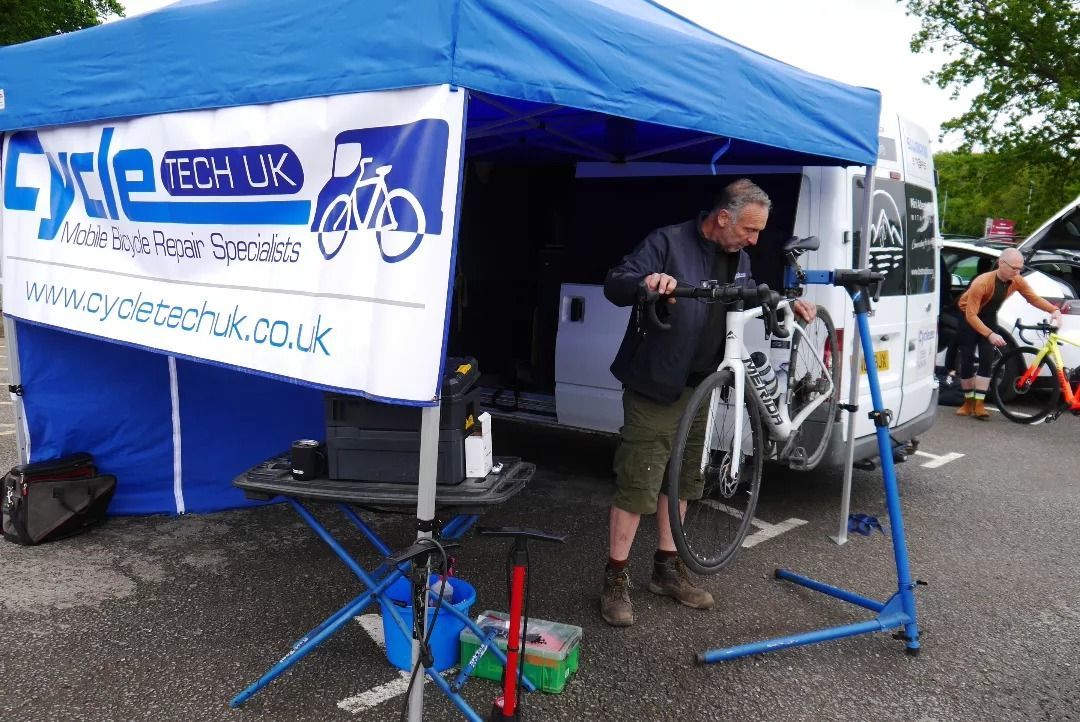
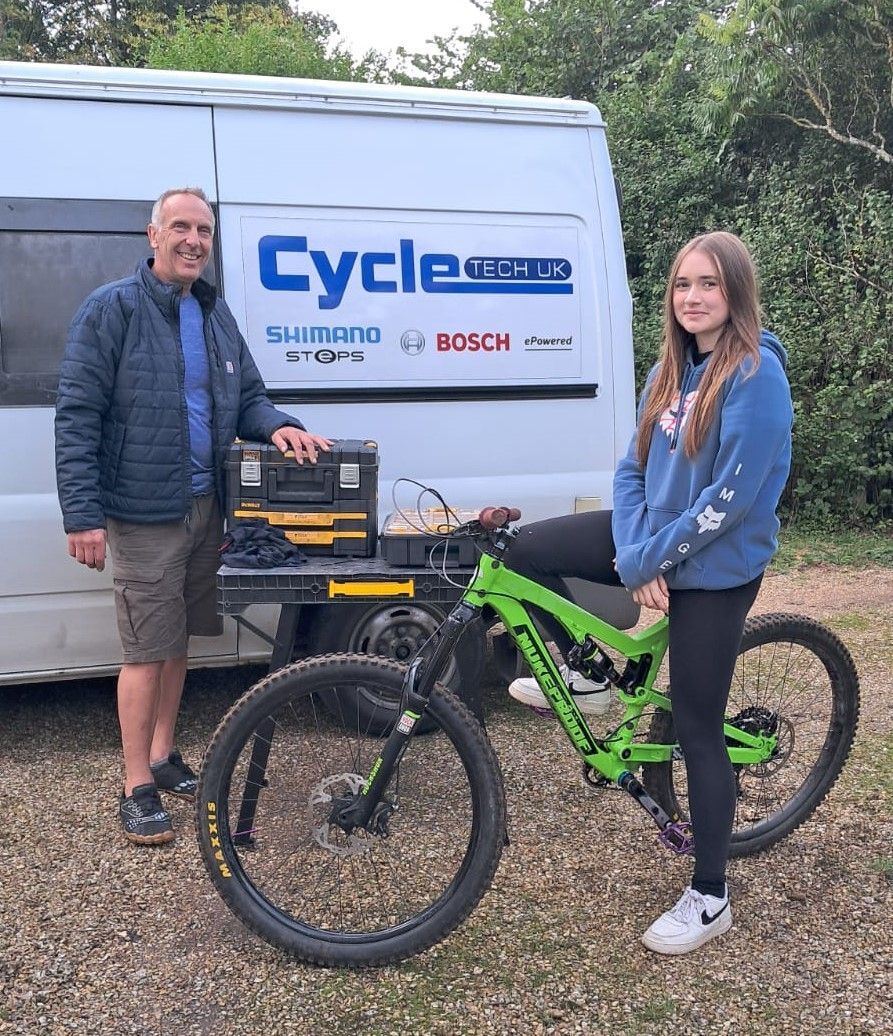
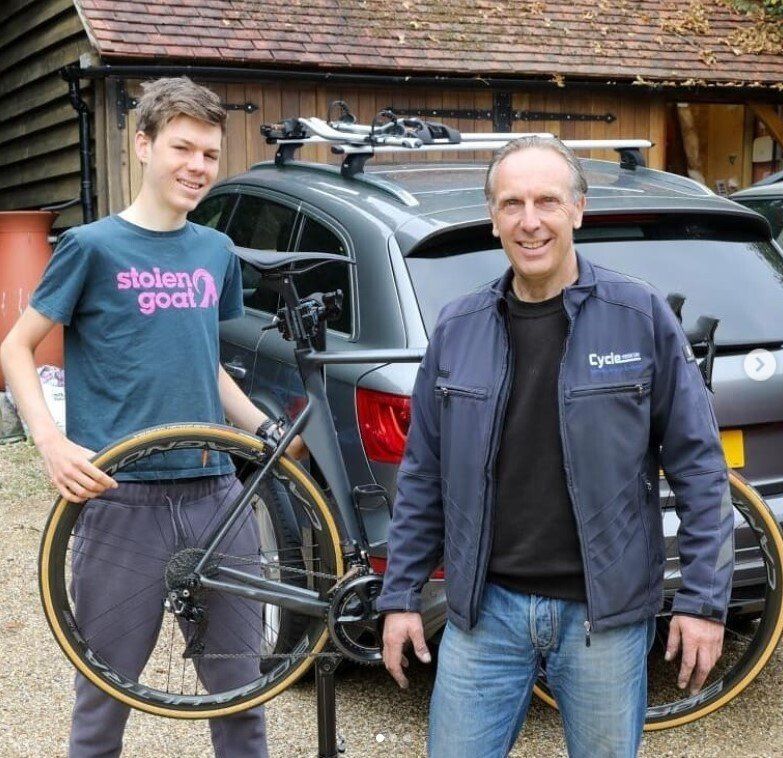
Trends and Spokes from the Travelling Mechanic — over 30 years as a mobile mechanic.
You buy a bike or an e-bike, and you expect the service to go with it.
But who is going to look after it?
That may be one of the biggest questions facing cycling over the next few years.
Recent research from Shimano and the NextGen Mechanics initiative points to a growing maintenance problem across Europe. Shimano's 2026 State of the Nation report found that 212 million people experience barriers to bicycle maintenance, with 121 million saying those barriers mean they cycle less.
BikeRadar, reporting on the new NextGen Mechanics research, says Europe could need an additional 105,000 mechanics by 2032, on top of an estimated shortage of 45,000 today.
For someone who has spent more than 30 years fixing bikes, travelling to customers and building a network of independent Cycle Technicians, this doesn't come as a complete surprise.
Chain Keeps Braking
The traditional bike shop model has been under pressure for years.
Online shopping changed the way bikes and parts are bought. At the same time, shops have had to deal with rising rents, wages, energy costs, taxation and the cost of holding stock.
Being busy doesn't necessarily mean being profitable.
A workshop can be full of bikes and still struggle to make a sustainable living.
And when local shops disappear, something else disappears with them: local access to someone who knows how to fix the bike.
That matters more as bikes become more complicated.
The Bike Has Changed
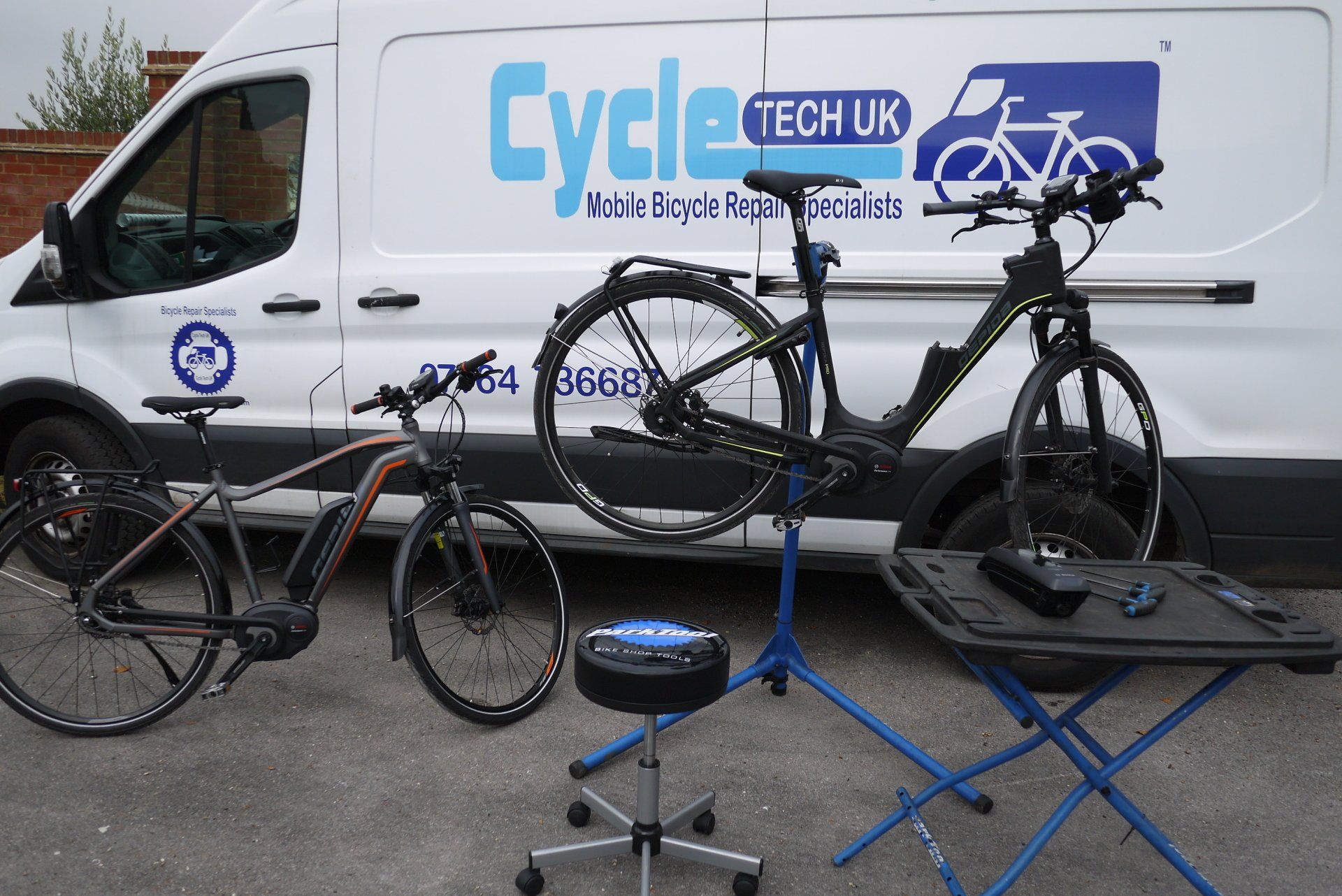
A modern bicycle can involve hydraulic braking systems, electronic shifting, sophisticated suspension and increasingly complex e-bike systems.
An e-bike isn't simply a bicycle with a motor added to it.
A mechanic may need to understand mechanical systems alongside diagnostics, software, electronic components, manufacturer procedures, error codes, compatibility and safety.
The NextGen Mechanics research identifies the increasing complexity of modern bikes — particularly e-bikes and cargo bikes — as one of the factors contributing to the shortage of mechanics. It also highlights the skills involved in maintaining hydraulic systems and digital drivetrains.
That changes what we should expect from a mechanic.
It's no longer just about being able to adjust a derailleur.
It's about diagnosis, technical knowledge, problem solving, attention to detail and knowing when not to carry out a repair.
DIY, AI and the Changing Bike Owner
There's nothing wrong with fixing your own bike.
In fact, I think it's great.
There is something very satisfying about understanding how something works and fixing it with your own hands.
YouTube, online manuals and AI are making information more accessible than ever.
But information isn't the same as experience.
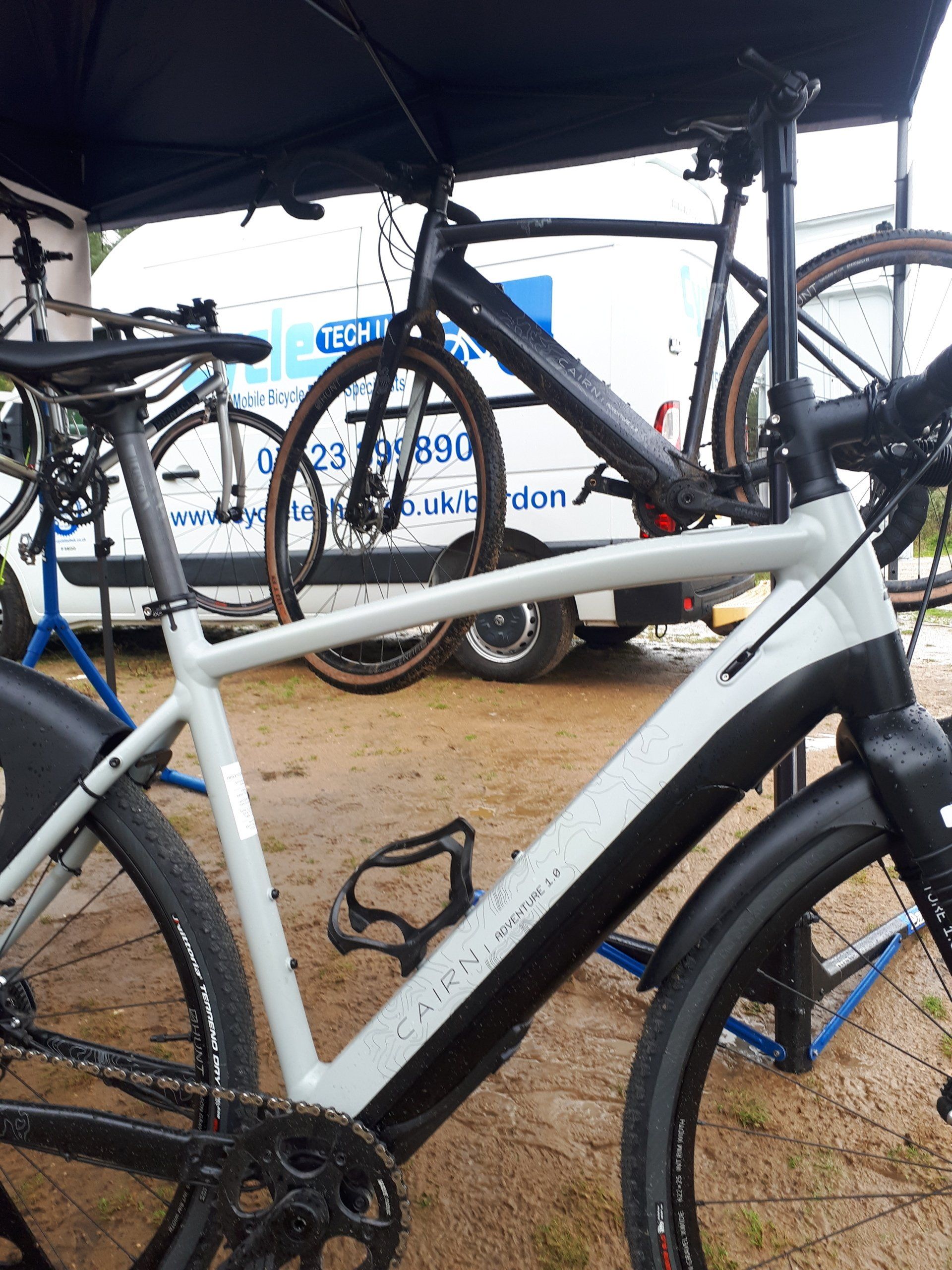
It's often only when a bike arrives on one of our workstands that the full picture becomes apparent.
A simple repair may have become a bigger repair. A component may have been installed incorrectly. Something may have been damaged while trying to fix something else.
And with e-bikes, poor repairs can raise much more serious safety questions.
The NextGen Mechanics research points to a growing informal repair market, particularly around e-bikes, and highlights concerns where repairers may not have access to certified parts, technical information or appropriate safety training.
The answer isn't to stop people fixing their own bikes.
It's to make sure there is somewhere knowledgeable to turn to when they need help.
So What Are We Seeing?
The market is changing again.
Fuel and living costs can influence how people travel. More people may look towards bicycles and e-bikes for everyday transport rather than simply recreation.
At the same time, competition is changing the e-bike market, with more Chinese manufacturers entering at increasingly competitive prices.
That creates opportunity — but also responsibility.
If more people are going to rely on e-bikes for everyday transport, there needs to be a reliable support network behind them.
A bike that can't be repaired is a bike that eventually stops being used.
What Is In Our Control?
There has been a lot of change over the last seven years alone.
Covid. Lockdowns. Cost-of-living pressures. War. Energy costs. More wars. Changes in the way we shop, work and travel.
We can't control all of that.
But we can control how we respond.
For Cycle Tech UK, that means concentrating on what we have always believed in:
Offering a premium service and serving the customer's needs.
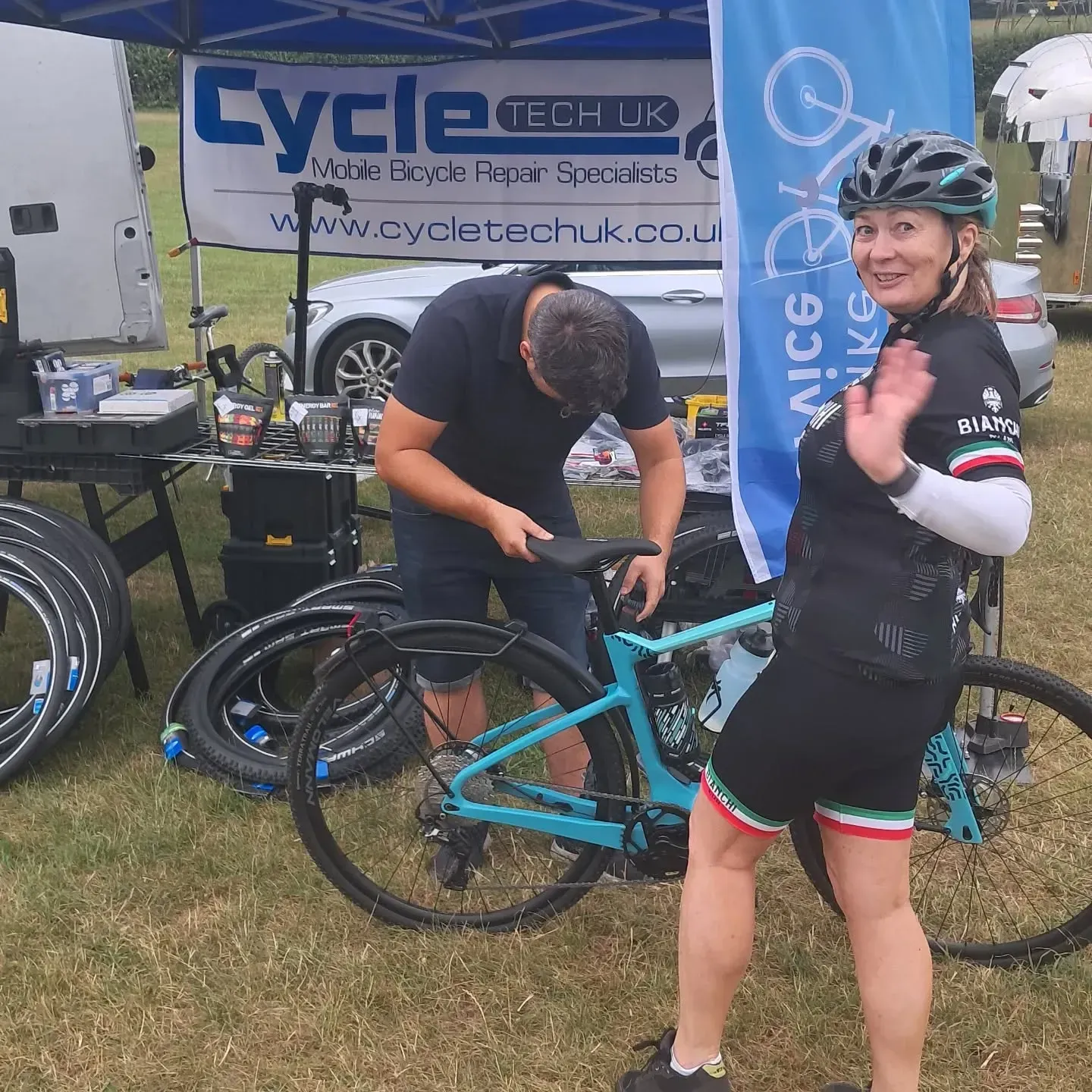
A home service fits the way many people live today.
It also creates opportunities to work alongside online-only bike shops, manufacturers and brands that may not have a local workshop network.
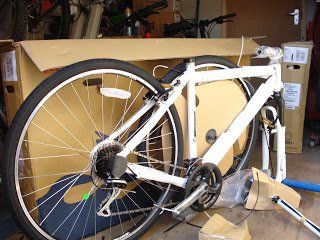
A bike can be sold online and still have a real person nearby who can assemble it, check it, service it and support the customer.
That's where the independent Cycle Technician can become an important link between the customer and the brand.
A Win-Win for Everyone
The customer wants a bike that works.
The mechanic wants to make a living from their skills.
The bike shop or online retailer wants happy customers.
The manufacturer wants its brand represented properly and its products supported.
And the industry needs people who understand the products they are working on.
We're already seeing more manufacturers and brands looking for ways to support customers beyond the original sale.
Warranty support is becoming an increasingly important part of that relationship.
For us, that means working with brands we know, trust and can support — and putting a Cycle Tech on the ground where the customer needs one.
The sale shouldn't be the end of the relationship.
It should be the beginning of the support.
Do More Mechanics Mean More Cycling?
Perhaps the better question is:
Do more skilled and accessible mechanics make it easier for people to keep cycling?
The evidence from Shimano's research suggests maintenance access is already affecting cycling participation across Europe.
But simply increasing the number of mechanics isn't enough.
We need mechanics who are properly trained.
Mechanics who understand modern bikes.
Mechanics who can diagnose rather than simply replace parts.
Mechanics who understand e-bike systems and their limitations.
Mechanics who know when a job is safe to undertake — and when it isn't.
And mechanics who can make a proper living from their skills.
The NextGen Mechanics research itself identifies low pay, lack of formal training and the increasing technical demands of modern bikes among the issues behind the shortage.
That's an important part of the conversation.
We don't just need more mechanics. We need to value the mechanics we have — and create a pathway for the next generation.
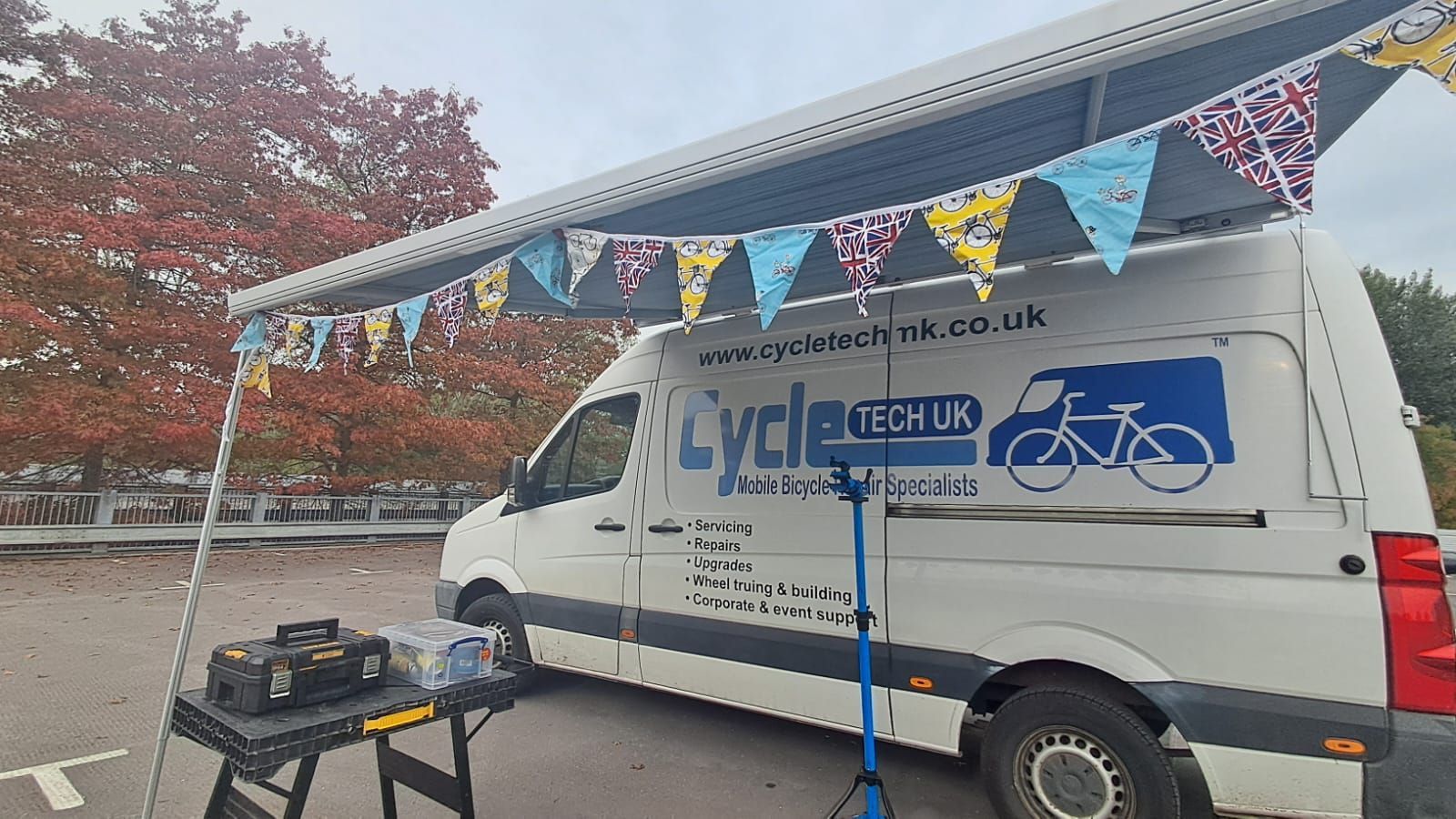
The Cycle Tech UK Approach
Nearly 20 years of building a network of independent Cycle Technicians has shown me that the relationship between mechanic and customer matters.
Technology can help us find information.
The internet can help us buy parts.
AI can help us understand a problem.
But when your bike is sitting in front of a skilled mechanic, there is still something different about having someone look at it, listen to you, diagnose the problem and take responsibility for the work.
That's what local service is about.
“The ethos of Cycle Tech UK is about giving you genuine value and service that you will experience with your local Cycle Tech. Creating an ongoing relationship, by supporting the needs of the customer.”
What Do We All Want?
Skilled mechanics who can make a living.
More people cycling on good, properly maintained bikes and responsible e-bikes.
Manufacturers and brands that take responsibility for supporting the product, the mechanic and the end user.
A repair network that makes cycling easier, not harder.
And sustainability that goes beyond simply talking about being green.
Repairing rather than replacing.
Maintaining rather than discarding.
And understanding that e-bike batteries and components have a life beyond the first owner — including appropriate recycling and responsible end-of-life management.
For me, that's where the opportunity is.
Not simply selling more bikes.
Keeping more bikes on the road.
Because the future of cycling isn't just about the bikes we buy.
It's about the people who keep them moving.