The UK’s concerns around e-bike safety
including their use by Deliveroo riders, feels a bit like locking the stable door after the horse has bolted.
The UK’s concerns around e-bike safety
For a few years, the police seemed to turn a blind eye to what was happening on our streets. I don’t blame them entirely; they don’t make the laws, and there was a grey area in how the rules were understood and enforced. But that period allowed powerful, non-compliant e-bikes to become increasingly visible on our roads.
Why are we only now seeing such a strong push for enforcement when these bikes have been openly advertised and sold online for years?
"Several notable incidents involve elderly pedestrians being struck and killed by electric scooters or high-powered electric bikes in the UK and Ireland. Deaths have brought e-bike safety into the spotlight and prompted questions about how the police and authorities are dealing with the problem."
But unless we're going to build entirely new cities, with separate lanes for every type of vehicle, from cars and bikes to scooters and horses, we need to learn to share the road and live and let live.
That means reconnecting with what it means to use the road responsibly. Drivers, cyclists, e-bike riders and pedestrians all have a part to play. We need to pay attention to our surroundings, put our phones away when moving through traffic, and take responsibility for our own safety as well as that of others.
Just like riding a bike, sharing the road is about keeping our balance. We need sensible rules and enforcement, but also awareness, consideration and a bit of common sense from everyone.
Of course, tackling tampering and keeping illegal e-bikes off the road is important. But we also need to ask how these products reached the market in the first place, and why more wasn't done earlier.
"Whatever we allow to go faster, we also need to consider how it stops safely."
Many Deliveroo riders are trying to make a living and may not be able to afford a proper electric motorbike, along with the associated requirements for a driving licence, minimum age and insurance. That doesn't make illegal e-bikes acceptable, but it does help explain the pressures behind their use. We need to address those pressures as well as enforce the law. Meanwhile, customers at home expect their fast food to arrive ever faster. We need to look at the pressures driving this demand, not just the riders on the road.
Amazon helped set the standard for cheap, convenient online shopping and fast delivery. But that expectation of low prices and speed has consequences when cheap e-bikes and powerful conversion kits are so readily available online, including products that may not be road legal.
If we want safer roads, we need to look at the whole picture — consumer expectations, working conditions, what is being sold online, and the responsibility of retailers and the wider supply chain. Enforcement matters, but so does addressing the causes of the problem, rather than simply reacting to the consequences.
"Another point to consider is insurance. If there’s an accident and a claim is made, could the actions and responsibilities of everyone involved come under scrutiny?"
In the UK, wearing a cycle helmet isn’t a legal requirement, but could not wearing one affect a claim involving a head injury?
There’s also the difference in brake arrangements between countries. In the UK, the front brake is normally on the right-hand lever, whereas in some other countries it’s on the left. A visitor hiring a Lime bike in London might pull the front brake unexpectedly and risk going over the handlebars.
And what about someone who hasn’t ridden a bike for years, then jumps straight onto an e-bike in busy city traffic? They may be unfamiliar with the acceleration, handling, braking and the way an e-bike responds.
Shouldn’t we be looking at how we help people understand the bike they’re riding, rather than assuming everyone already knows how to ride one safely?
Enforcement after the sale is only part of the solution. We also need effective checks at the point of sale, accountability across the supply chain, and a clear plan for dealing with bikes already in circulation.
Otherwise, are we addressing the root of the problem — or just reacting to the consequences?
What we don't want is to overreact and end up with number plates and compulsory insurance for ordinary, legal e-bikes. Let's preserve what makes an e-bike so accessible: it provides assistance to the cyclist, rather than replacing the need to pedal. (There is an argument for considering a 20 mph assistance limit for road e-bikes, but any change needs proper discussion and evidence.)
I can also see a market for faster electric bikes, particularly e-motorbikes designed to carry small loads and get around towns and cities. They can offer a practical, more affordable alternative to running an electric car, while taking up far less space on our roads and when parked. But let's recognise them for what they are: electric motorbikes, with the appropriate licensing and legal requirements already in place.
There's room for both legal e-bikes that assist cyclists and e-motorbikes designed for faster, powered transport. We just need to make sure they're properly distinguished and regulated accordingly.
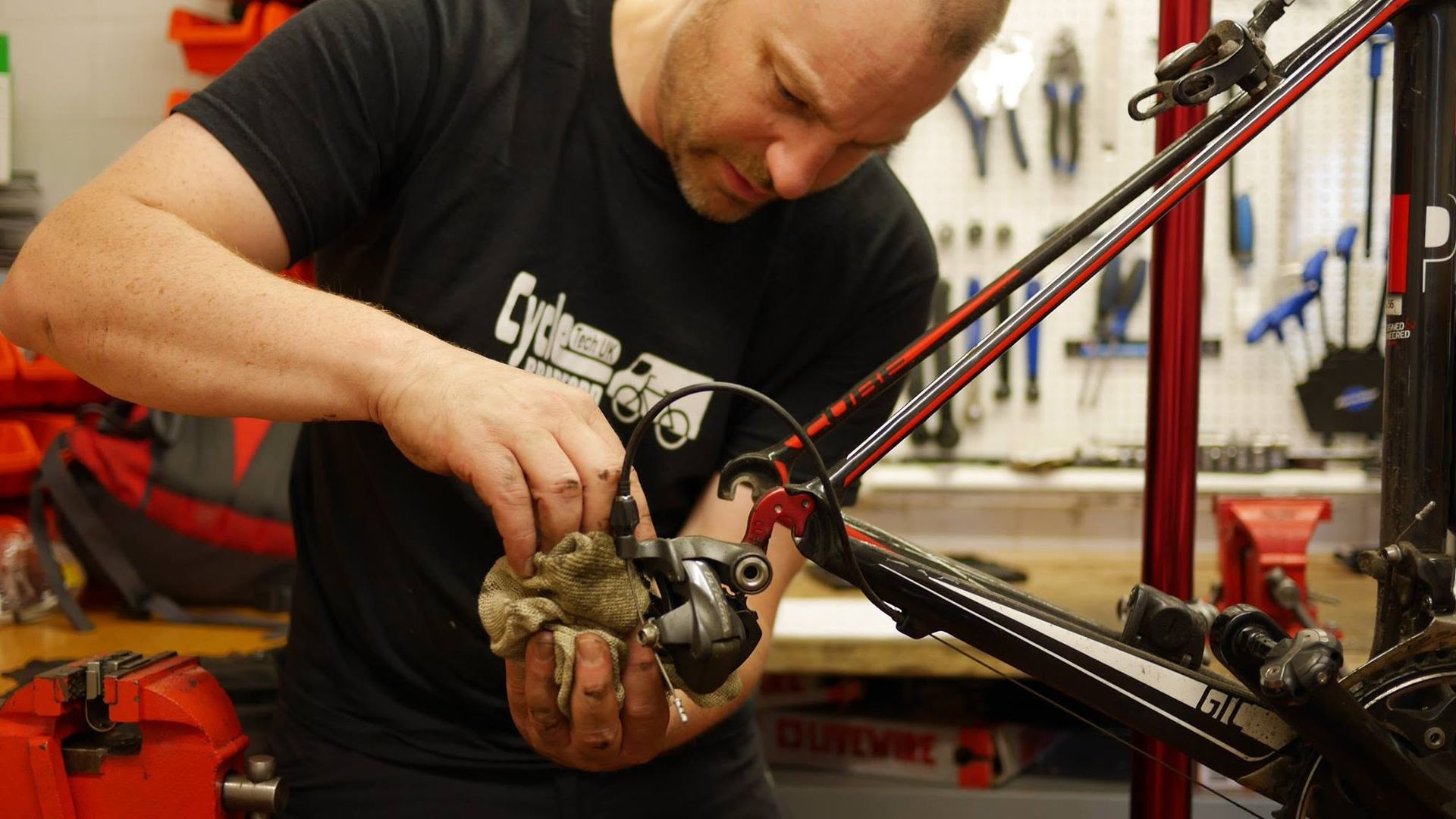
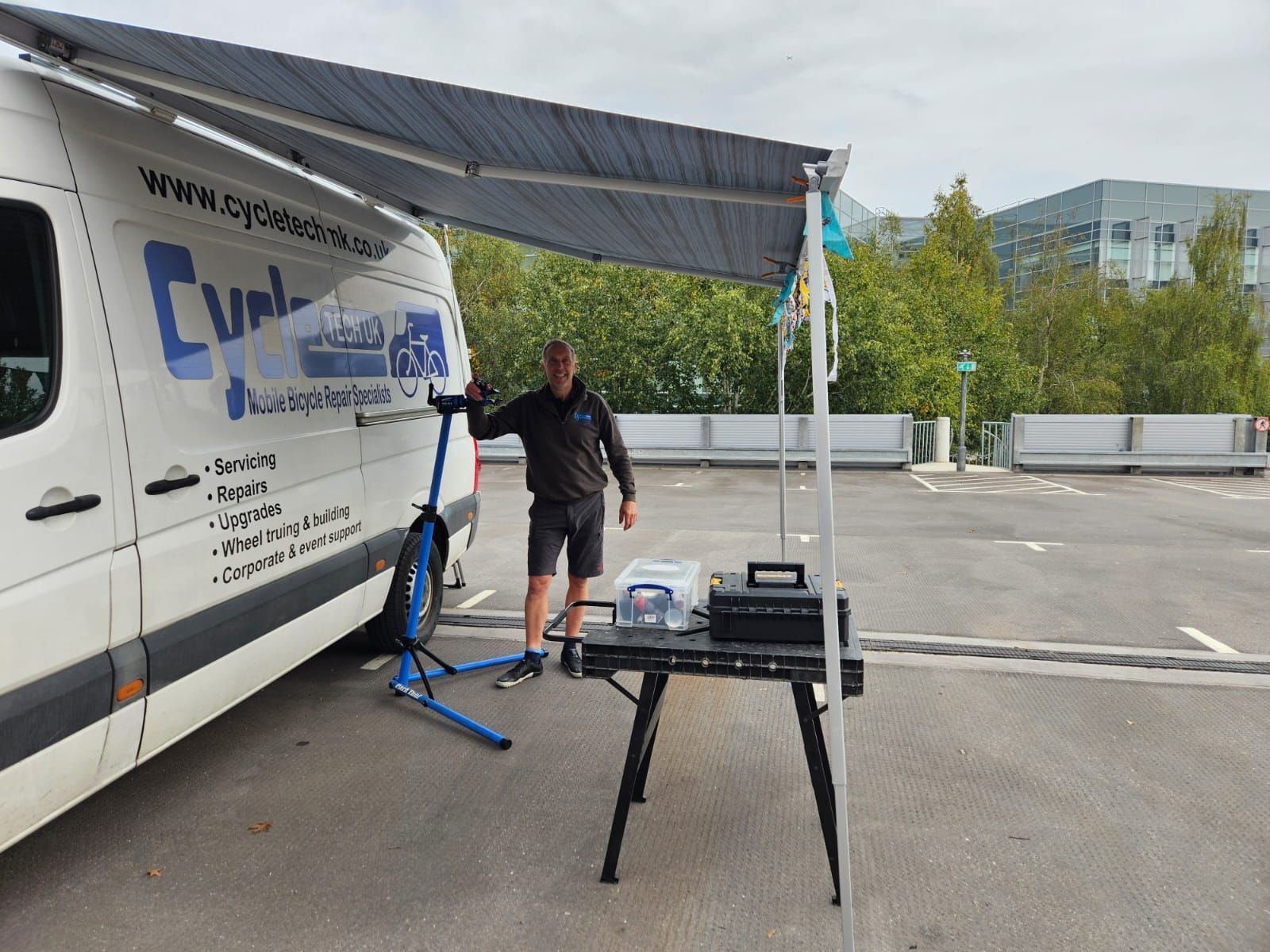
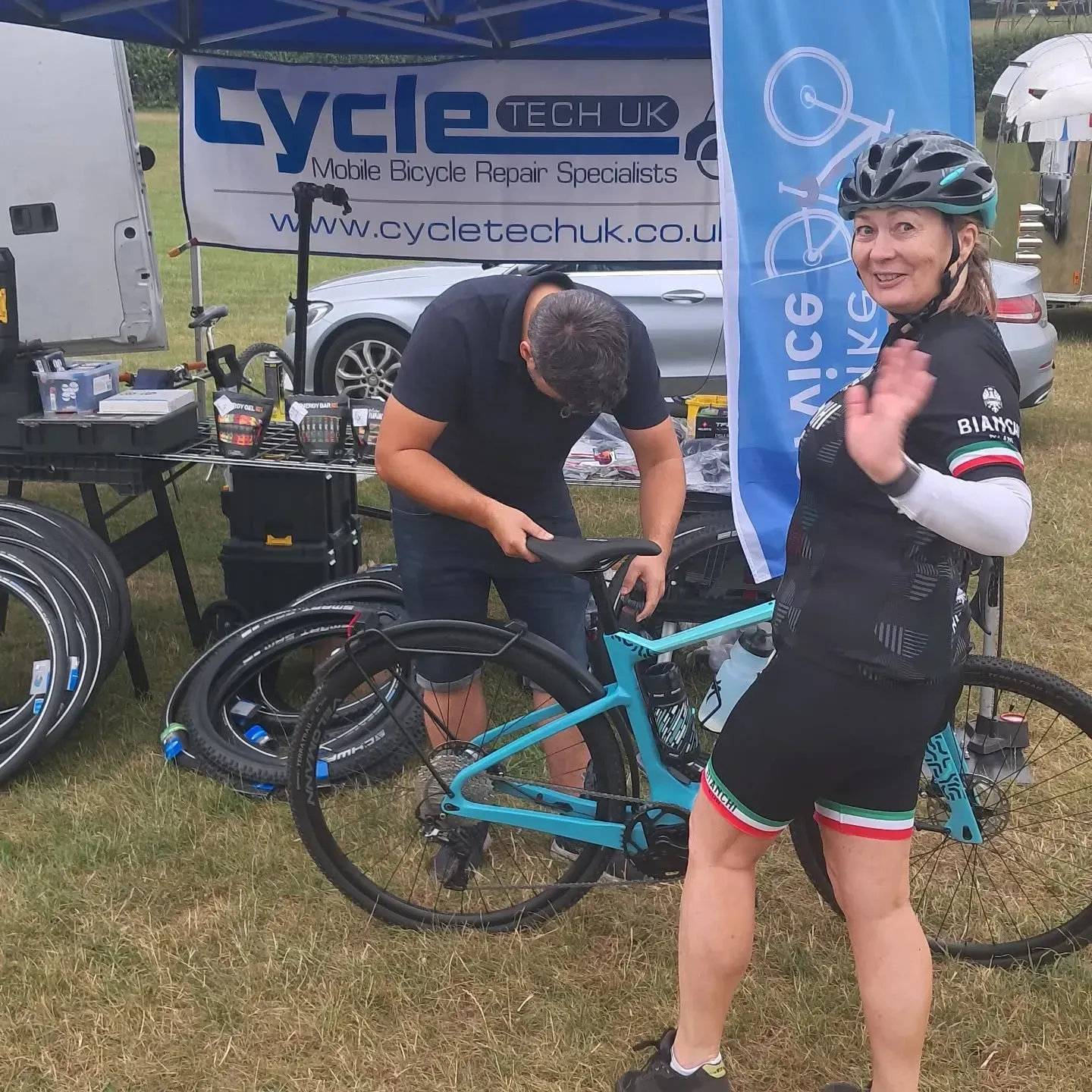
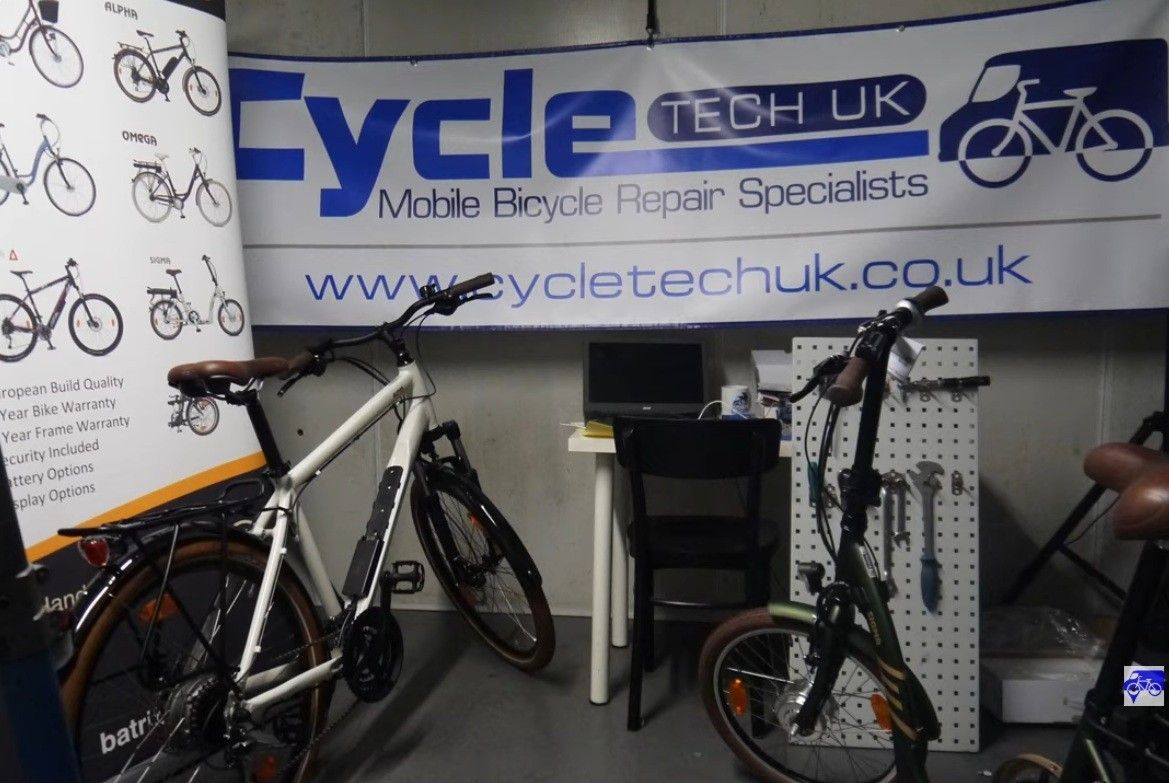
One positive to come out of this is that the independent bike shops and mobile mechanics I work with are taking a firm stance on illegal e-bikes. At Cycle Tech UK, we make our position clear on our website and throughout our network. We know the problems that can follow when a bike is illegal, unsupported or comes from a cheap import with no reliable access to technical information, spare parts or manufacturer backup.
"It was also an unknown risk for the insurance specialists, who made it clear they would not insure shops or mechanics working on cheap, illegal e-bikes. This is one of the reasons we make our position clear on the Cycle Tech UK website — to protect our mechanics, their businesses and their customers."
Our FAQ page explains how we operate and which e-bikes we work on. We also have a dedicated page, “Electric Bike Service – Where Am I Going to Get My E-Bike Serviced?”, along with practical guidance to help people make informed decisions before buying an e-bike.
Home Bike Build Service "Customers like to use us for our ease of service" - The way business is suppose to be. Bought a new bike online? - New bikes need more than unboxing – we assemble and inspect for safe riding.
Every e-Bike PDI'ed, safety checked and handed over Home Bike Build Service
To maintain warranty cover and ensure long-term reliability, it's essential that e-Bikes are serviced at the recommended service intervals.
We explain this to customers and to those who contact us: we won't work on illegal e-bikes or unsupported imports that fall outside the standards and support our mechanics are prepared to stand behind.
This isn't about turning customers away for the sake of it. It's about safety, professional responsibility and protecting both the rider and the mechanic.

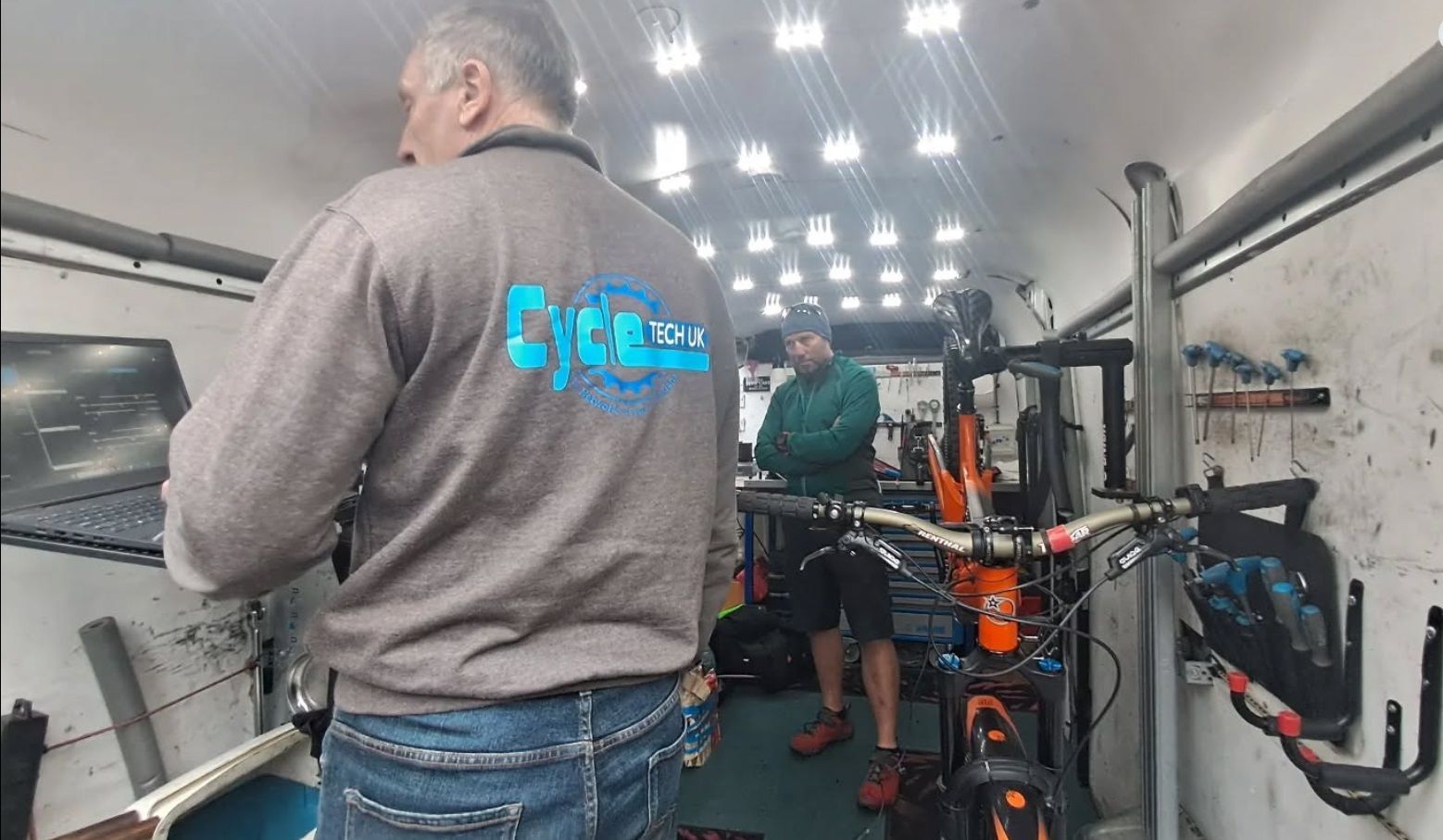
Part of our wider UK network, this is one of our in-house training and e-bike appraisal hubs. We assess new brands and make sure our mechanics have the knowledge and support they need before working on them.
Before you buy, import e-bikes from
China or start selling online, take a look at our
insights. Understand the importance of product knowledge, technical support, spare parts and reliable aftercare before you commit.
We need sensible enforcement, responsible sellers and proper support for legal e-bikes — not blanket restrictions that penalise the cyclists and businesses doing things properly.
Let's support retailers, mechanics and riders through education from the ground up, building on the UK's own needs and circumstances rather than simply copying the approach taken in Amsterdam. The Netherlands has a very different cycling culture, infrastructure and road layout. We can learn from other countries, but we need solutions that work here.
"There are plenty of reputable brands and e-bike systems, such as Bosch, that support responsible e-biking. We choose to work with those who support our network, provide the right technical information and parts, and take a long-term approach. It has to work both ways."
That also means working with other road users, not simply pushing e-bikes in isolation. Listening, learning from mistakes and working together is how communities find a way forward. We shouldn't have to wait for Government to solve every problem on our high streets; local businesses, mechanics, riders and communities all have a part to play.
Prevention, education and responsible retail need to be part of the solution — not just enforcement after things have gone wrong.
Let's address the root of the problem without losing sight of what e-bikes are supposed to be: a way to help more people enjoy cycling.