A Response to the NextGen Mechanics Report 2026:
The Reality of Skills, Sustainability and the Bicycle Trade

We've been talking about a shortage of bicycle mechanics for at least 17 years. So why are we still having the same conversation?
Back in December 2009, The Guardian published an article asking why cyclists needed more bike mechanics. It highlighted the shortage and looked at whether training could attract people into the trade.
By 2016, the industry was still talking about the problem. Now, in 2026, we're reading another report warning of a shortage and forecasting how much worse it could become.
But what has actually changed in all those years?
Perhaps it's time to look beyond training more mechanics and ask why the trade continues to struggle to attract and retain them. Are we making cycle mechanics a sustainable way to earn a living? Are we recognising the contribution of independent and mobile mechanics, as well as those working in traditional bike shops?
These are some of the questions I explore in my response to the NextGen Mechanics Report 2026.
📖
The Guardian, 1 December 2009: Why cyclists need more bike mechanics
Part 1 — Understanding the challenges facing cycle mechanics
Having worked in a bicycle shop, a motor car dealership and spent more than 30 years as a self-employed mobile mechanic, I have seen the trade from several different perspectives.
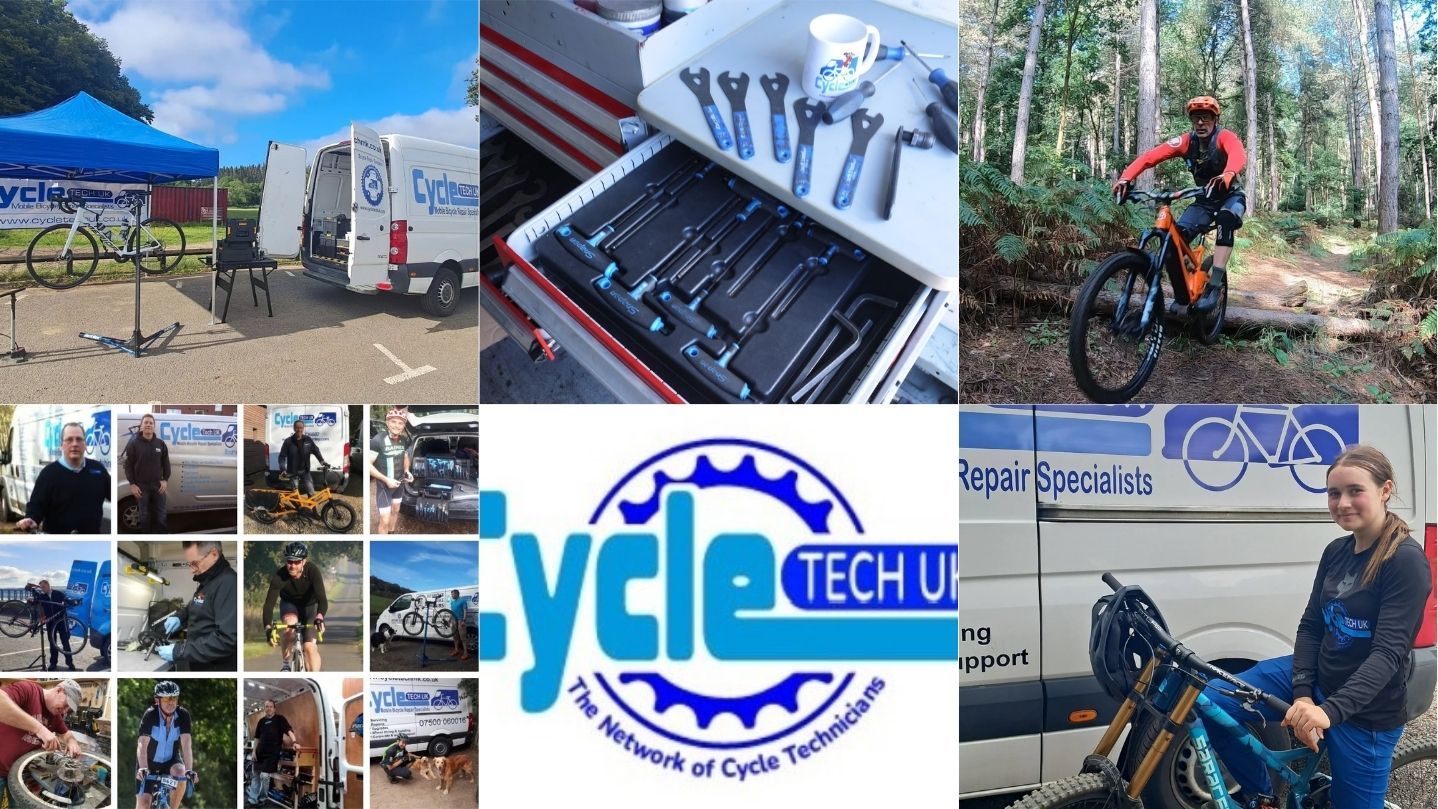
Today, through Cycle Tech UK, I work with a network of around 120 independent cycle mechanics across the UK. We support cyclists, help one another, and see first-hand the challenges and opportunities facing people who make their living maintaining and repairing bicycles and e-bikes.
I welcome the discussion raised by the NextGen Mechanics Report 2026. The future of cycle maintenance matters, particularly as bicycles become more technically advanced and the need for reliable aftercare grows.
However, I believe we need to look beyond the question of how many mechanics the industry needs and ask a more fundamental question:
What needs to change to make cycle maintenance a sustainable and rewarding career, whether someone works for a shop or builds their own independent business?
Is there a shortage of mechanics, or a problem with the economics of the trade?
The report estimates that Europe could need an additional 105,000 cycle mechanics by 2032. That is a substantial projection, but it is important to understand what it represents. It is a European estimate based on assumptions and expert judgement, rather than a directly measured UK shortage. The report itself acknowledges that there is no known calculation of demand based on actual employment statistics from cycle retailers.
That does not mean the projected demand should be dismissed. It does mean we should look carefully at the assumptions behind it and consider how changes in the way bicycles are sold, maintained and repaired might affect future demand.
We also need to ask why a trade can be concerned about attracting enough mechanics while many people working in it continue to face low wages, limited career progression or difficulty making a viable living.
Recruitment and training are important, but they cannot solve the problem on their own. If the financial rewards do not reflect the skills, responsibility and investment required, people may train, gain experience and then leave the trade — or decide not to enter it in the first place.
We need to look at both sides of the equation: the demand for skilled mechanics and the ability of the businesses providing those jobs to pay them properly.
“Good to see Shimano recognising the importance of professional mechanics and the role that training, technical backup and ongoing aftercare can play in supporting the future of the industry.”
The reality of running a bicycle business
Traditional bicycle shops face considerable pressures. Premises, business rates, wages, stock, equipment and other overheads all have to be covered before a business makes a profit. At the same time, online retailers can compete on price, while parts margins and the time required to diagnose and complete repairs can make workshop profitability difficult to maintain.
A mechanic's work is not simply a matter of replacing a component or turning a spanner. It requires experience, judgement, technical knowledge and an understanding of safety. As bicycles and e-bikes become more complex, that responsibility grows.
Yet customers do not always see the knowledge behind a repair. They may compare the price of a workshop job with the cost of a part bought online, without appreciating the diagnosis, specialist tools, labour, experience and responsibility involved in fitting it correctly.
The report recognises concerns about low pay, the value consumers place on maintenance and the financial viability of workshops. These are important issues. The challenge is turning that recognition into practical changes that allow businesses to invest in their mechanics and reward their skills.
We should not assume that every shop faces the same difficulties or that every mechanic is poorly paid. But we should recognise that the economics of the trade can make it difficult for businesses to offer the wages and career progression needed to attract and retain skilled people.
Independent and mobile mechanics are part of the picture
My own experience has shown me that cycle maintenance does not have to take place entirely within a traditional retail shop.
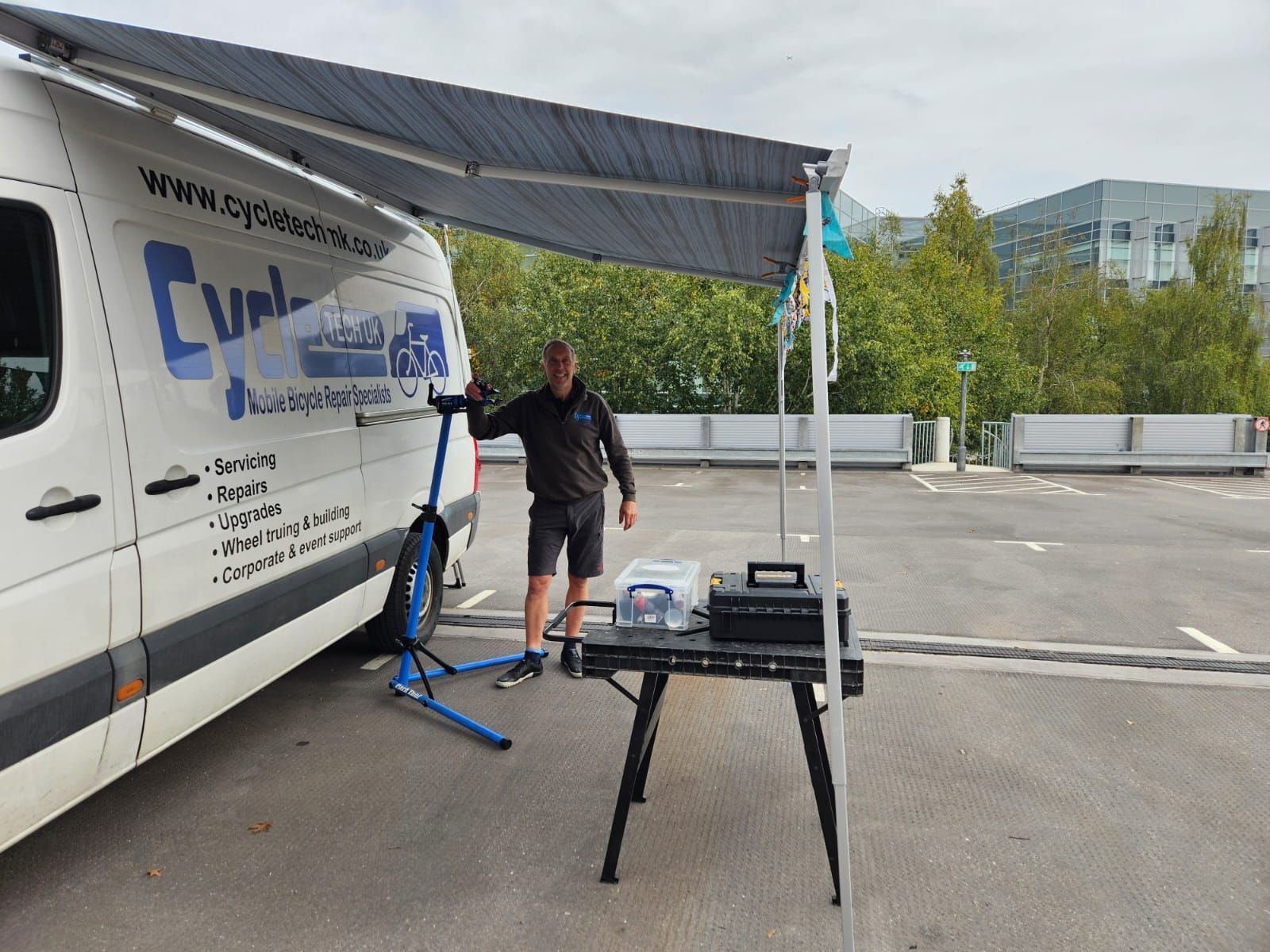
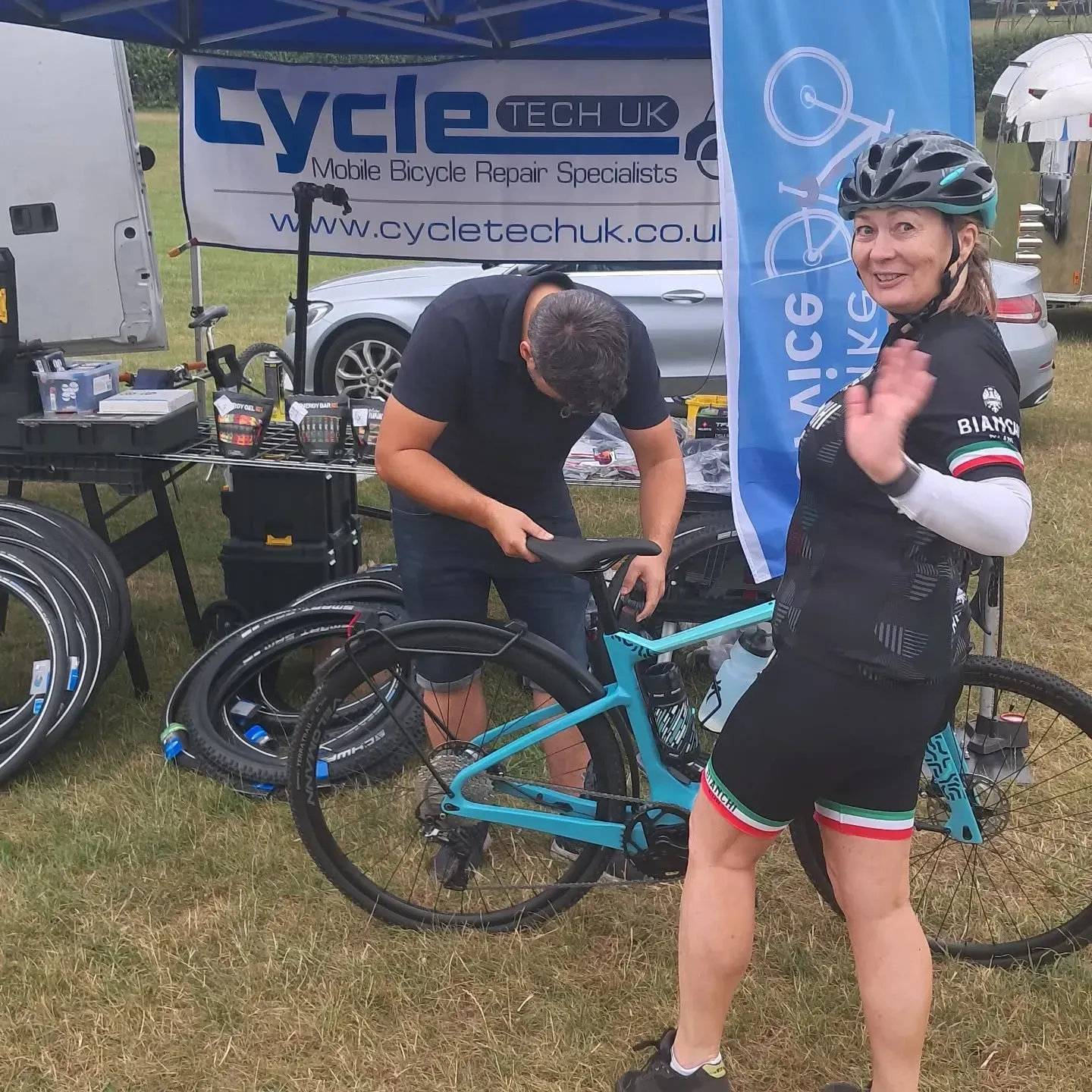
Independent mobile mechanics can visit customers at home or work, carry out servicing and repairs where conditions allow, and offer collection and return when a job needs a workshop, additional parts or specialist equipment. This provides another way of delivering maintenance and gives customers greater flexibility.
For some mechanics, working independently offers the opportunity to build a business around their skills, relationships and local demand. It can also allow them to structure their work differently from a conventional shop, although self-employment brings its own costs, risks and responsibilities.
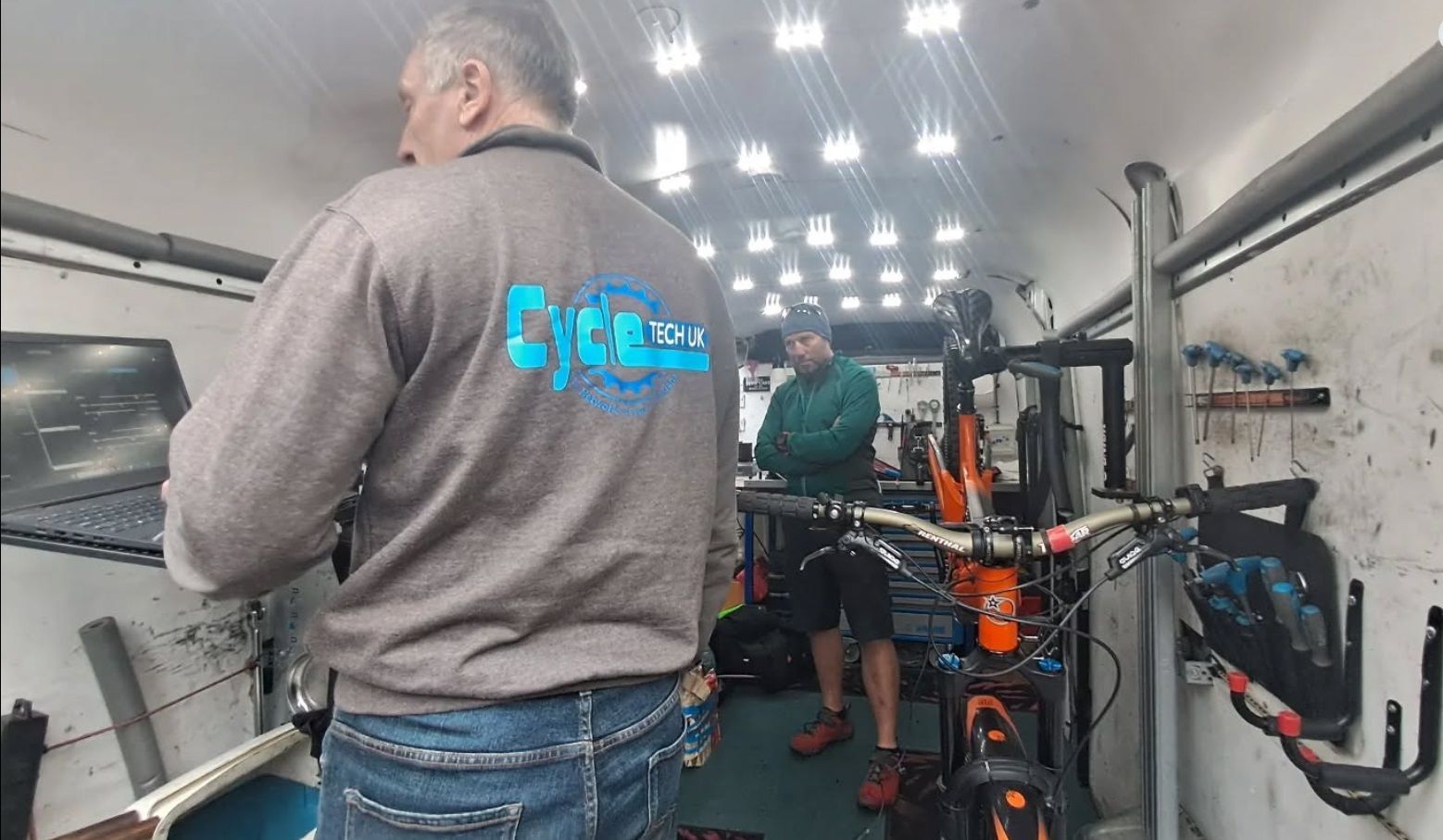
Through Cycle Tech UK, we have developed a network of independent mechanics who remain self-employed while benefiting from shared knowledge, professional relationships and a wider network through which customers can find support.
This model does not replace bicycle shops, nor is it the right choice for everyone. Shops, employed mechanics, independent workshops and mobile mechanics all have a role to play. But if we are discussing the future capacity of cycle maintenance, we need to consider the whole workforce — including those who do not appear in conventional retail employment figures.
The question should not simply be how many mechanics can be recruited into existing businesses. It should also be how we support more ways for skilled people to enter the trade, remain in it and make a sustainable living.
Training matters, but access to knowledge matters too
Technical training is essential, particularly as e-bikes introduce more sophisticated drive systems, diagnostics, software and manufacturer-specific requirements. Mechanics need to maintain their skills and understand the systems they work on.
However, training is only one part of the picture. Mechanics also need access to accurate technical information, parts, diagnostic tools, manufacturer support and clear warranty procedures.
When I returned to the bicycle trade in 2007, having already spent many years working as a mobile mechanic, access to technical information was often limited. Some manufacturers provided useful resources, but finding exploded diagrams, part numbers and reliable technical information could be difficult, particularly outside the better-supported brands and systems.
The situation has developed considerably since then, but access to information and technical support remains important. As e-bikes become more complex, independent mechanics need to know not only how to repair a bicycle safely, but also whether they have the information, tools and authorisation required to work on a particular system.
Training someone to become a mechanic is of limited value if they cannot subsequently access the resources needed to do the job properly or establish a commercially viable service.
We should therefore consider skills development alongside the practical conditions that allow those skills to be used: technical access, manufacturer relationships, appropriate equipment, parts availability and viable arrangements for warranty and aftercare work.
A trade is also a community
One of the things I value most about working with independent mechanics is the willingness to share experience, help one another and find solutions. Through Cycle Tech UK, we are building relationships between people who run their own businesses but understand the benefits of being part of something larger.
I believe this matters because the future of cycle maintenance should not be approached solely as a recruitment problem or an exercise in standardising qualifications. It is also about creating an environment in which knowledge is shared, businesses can thrive and experienced mechanics have a reason to stay.
Manufacturers, retailers, training providers, independent mechanics and industry organisations all have a part to play. Better communication and stronger relationships can help customers receive appropriate aftercare, while giving mechanics clearer routes to technical support and professional development.
The NextGen Mechanics Report opens up an important conversation. My hope is that the discussion will extend beyond how many mechanics may be needed and consider what will enable those people to build lasting careers and sustainable businesses.
If we want more people to become cycle mechanics, we need to make it worthwhile for them to become one — and worthwhile for them to remain one.
That means recognising the value of their skills, improving the economics of maintenance, supporting access to technical knowledge and acknowledging the different business models through which cycle maintenance is delivered.
Ultimately, a stronger bicycle trade depends not only on training more mechanics, but on creating the conditions in which skilled people can do good work, earn a fair living and continue supporting the people who ride.
Looking Beyond the Shortage: Independent Businesses, Evidence and the Future of the Trade
Having read the full report, I believe there are some important questions we need to ask about its assumptions, its proposed solutions and the people who will help shape the future of the bicycle trade.
The report raises legitimate concerns. It recognises that mechanics are undervalued, that businesses face financial pressures and that training alone has not solved the shortage. I agree that these issues need addressing.
However, I believe we need to look more closely at what the report's figures actually represent, how they have been developed and whether the proposed solutions reflect the full range of businesses already supporting cyclists.
What does the figure of 105,000 actually tell us?
The report projects that Europe could need approximately 105,000 additional mechanics by 2032.
That is a substantial figure, but the appendix is important here. It explains that there is no established calculation of demand based on actual employment statistics for bicycle retailers. The estimate draws on available employment data, industry information, expert opinion, comparisons with other sectors and a degree of judgement.
The report itself acknowledges these limitations and presents the calculation as a model that can be refreshed as better information becomes available.
That distinction matters.
A projection can help us plan for the future, but it is not the same as a directly measured shortage. The report estimates existing unmet demand, staff replacement requirements and future growth in maintenance demand. Each involves assumptions about how the market will develop and how businesses will respond.
We should therefore be asking how those assumptions can be tested against what is happening on the ground.
How much additional demand requires new employees? How much could be met by improving productivity, providing better technical support, organising work differently or making greater use of independent mobile mechanics?
And how much of the demand reflects people who currently cannot access an affordable, suitable repair service, rather than a simple count of vacant jobs?
These are different questions, and the answers matter when deciding how to invest in the future of the trade.
The independent mechanic is part of the solution
One area I believe deserves greater attention is the role of independent mechanics who run their own businesses.
The report discusses small independent workshops, but much of its proposed response centres on training provision, vocational qualifications, employers, retailers and the recruitment and retention of staff.
That is understandable given the report's focus. However, the bicycle trade is not made up solely of retail premises employing mechanics.
There are experienced technicians operating independently, mobile mechanics visiting customers at home or work, businesses working through local partnerships, and networks helping customers access the right expertise across wider geographical areas.
These businesses can provide maintenance capacity without necessarily requiring additional retail premises or conventional employment structures.
A mobile mechanic can work directly with customers, manage appointments around their local area and complete suitable repairs on site. When a repair requires additional parts, specialist facilities or more extensive work, the mechanic can arrange a workshop visit or collection and return.
This is not a universal replacement for a bicycle shop. It is another way of delivering the service customers need.
And for someone who wants to start their own business, it can offer a different route into the profession.
Rather than assuming that the only meaningful outcome of training is employment within a retail business, we should also consider how people can develop the skills, knowledge and business capabilities to establish sustainable independent services.
That means looking at business planning, insurance, tools, transport, customer communication, technical information, trade accounts and ongoing training alongside the mechanical skills themselves.
We should also recognise that an independent business owner is responsible for much more than the time spent repairing a bicycle. Travel, administration, quoting, ordering parts, maintaining equipment and managing customer expectations all form part of the working day.
A business must generate enough income to cover these responsibilities and provide a reasonable return for the owner's time, investment and risk.
If we want more people to enter the trade and remain in it, these realities need to be part of the conversation.
What Cycle Tech UK has learned on the ground
Through Cycle Tech UK, we have been building a network of around 120 independent mechanics across the UK.
The network brings together people running their own businesses, sharing experience and supporting customers and one another. They are learning from practical experience, developing specialist knowledge and finding ways to work together when a job falls outside their own capabilities or geographical area.
This is one of the strengths of an independent network. A mechanic can remain an independent business owner while benefiting from relationships, shared knowledge and access to wider support.
In the bicycle trade, we often work alongside people who might traditionally be described as competitors. In practice, many of us see them as friendly competitors. We may operate separate businesses, but we share a common purpose: helping more people enjoy cycling and keeping their bicycles safe, reliable and usable.
I would like to see more recognition of these working relationships in discussions about the future of the trade.
A network does not need to employ every mechanic to help develop skills, improve service availability or support professional standards. Nor does every mechanic need to work in the same way.
The opportunity is to build a stronger community of capable independent businesses, supported by manufacturers, suppliers, training providers and the wider bicycle trade.
This is practical experience that should inform future workforce planning.
Training is only part of the answer
The report rightly identifies the importance of recognised training, qualifications and continuing professional development.
But a qualification on its own does not guarantee that someone can build a sustainable career or business.
My own experience of returning to the bicycle trade in 2007, after working in the motor trade, was that access to technical information mattered enormously. I was looking for the exploded diagrams, part numbers, assembly information and product knowledge I had come to expect from the automotive sector.
At the time, this information was not readily available across much of the bicycle market, although Shimano and some higher-end manufacturers had established technical resources.
Today, bicycles and e-bikes can involve mechanical systems, electronics, software, diagnostics and manufacturer-specific procedures. Technicians need to keep learning, and they need access to the resources required to apply that knowledge.
The report itself recognises that proprietary diagnostic systems and restricted technical information can limit the work independent workshops are able to undertake.
This raises a straightforward question: what is the value of training a mechanic if they cannot access the technical information, diagnostic systems, replacement parts or manufacturer support needed to complete certain repairs?
A stronger profession requires a joined-up approach. Training, practical experience, technical access, appropriate equipment, manufacturer support and viable business opportunities must work together.
And we must make sure that the cost of training does not become another barrier for people who want to enter the trade or develop their existing skills.
The economics of the bicycle trade cannot be ignored
The report identifies low pay and the status of the profession as major concerns. It also recognises the financial and operational constraints faced by small independent workshops.
I agree that these issues are central to the problem.
But we need to distinguish between the income earned by an employed mechanic and the revenue generated by an independent business. They are not directly comparable.
A self-employed mechanic's labour charge has to contribute towards travel, insurance, tools, equipment, training, administration, downtime and other business costs, as well as providing an income.
Equally, a bicycle shop has its own overheads, including rent, business rates, stock, staff and long opening hours.
Neither model is automatically more profitable. Both need to be understood on their own terms.
The report recommends improving business productivity and researching how customers respond to transparent, skill-based pricing. These are worthwhile areas to explore.
However, we should also examine how different service models can help businesses remain viable. Mobile servicing, collection and return, pop-up clinics, manufacturer-backed aftercare, event support, and relationships with online retailers can all play a role where they are appropriate to the customer and the work involved.
There is also an opportunity for manufacturers and online sellers to recognise the cost of supporting a bicycle after it has been sold. If a business sells directly to customers across the country, it should consider how those customers will access assembly, maintenance, warranty support and repairs throughout the bicycle's life.
Local independent mechanics can help provide that support, but the arrangement needs to work commercially for everyone involved.
The aim should not be to push costs onto the mechanic or expect skilled work to be provided at unsustainable rates. It should be to create a fair arrangement in which the customer receives good service, the selling business protects its reputation and the technician is properly compensated for the work undertaken.
Who will shape the future of the trade?
The report proposes a European structure to coordinate future training, skills development and wider industry action.
Coordination can be useful, but the people involved need to reflect the diversity of the trade.
If the discussion is dominated by manufacturers, large retailers, training institutions and organisations representing the wider industry, there is a risk that the realities of smaller independent businesses will not receive enough attention.
Independent mechanics need a meaningful voice in the process. So do people who have recently started their own businesses, experienced technicians who have moved from employment into self-employment, and the networks that help independent businesses work together.
These people can contribute practical knowledge about customer demand, the costs of operating a business, access to technical information, the realities of mobile servicing and the opportunities to provide aftercare across wider areas.
They can also help identify what would make it easier for a new entrant to progress from learning mechanical skills to earning a sustainable living from them.
This is not about opposing larger businesses or established training providers. It is about ensuring that decisions are informed by the people who will be expected to put them into practice.
A better way forward
I believe the report would benefit from a more detailed examination of the different ways bicycle maintenance can be delivered, and the conditions that allow each model to succeed.
That could include:
- Mapping independent and mobile mechanics alongside traditional retail workshops, rather than treating retail employment as the main reference point.
- Understanding how independent businesses contribute to local maintenance capacity and where they could expand their services.
- Developing training pathways that support both employment and self-employment.
- Improving access to manufacturer training, diagnostic tools, technical information and suitable parts.
- Helping independent business owners develop the commercial skills needed to price their work, manage costs and build sustainable businesses.
- Encouraging fair partnerships between manufacturers, online retailers, local shops and independent mechanics to provide assembly, aftercare and warranty support.
- Involving experienced working mechanics and independent networks in the development and evaluation of future recommendations.
The results should be measured not simply by the number of people trained or the number of qualifications awarded, but also by whether more customers can access suitable maintenance, whether businesses become more sustainable, and whether skilled people can build worthwhile careers and businesses in the trade.
The question is not simply how many mechanics we need
The bicycle trade needs skilled people. It needs good training, recognised competence and continuing professional development.
But it also needs business models that allow those skills to be put to good use.
If we train more mechanics without improving the opportunities available to them, we risk repeating the same problems. If we concentrate solely on traditional retail employment, we may overlook other ways of expanding maintenance capacity. And if we do not involve independent businesses in shaping the response, we risk missing practical solutions that are already working.
From my experience, the future of the bicycle trade will depend on cooperation between people who understand different parts of the business: manufacturers, retailers, online sellers, training providers, independent mechanics and the networks that connect them.
We do not all need to operate in the same way. We do need to recognise the value each brings and find ways to work together that are commercially sustainable.
At Cycle Tech UK, that is the principle we have been working towards: independent businesses supporting one another, serving their local customers and contributing to a wider network of knowledge and practical support.
If we want a stronger bicycle trade, we need to make it worthwhile not only to employ a skilled mechanic, but also to become one, to remain one and to build an independent business around those skills.
The future of cycling depends on the people who keep bicycles moving. They deserve to be part of the conversation about what that future looks like.
About the report and its sources
The NextGen Mechanics Report 2026 was published by European Cycling Industries (ECI), in collaboration with Shimano Europe Group and Fusion Media.
The report draws on previous studies, industry data, expert opinion and feedback described as coming from mechanics, employers and retailers. Its projections for future mechanic demand are based on a model using estimates and assumptions, rather than a comprehensive calculation using actual cycle retailer employment statistics.
Cycle Tech UK's network of independent mechanics was not consulted as part of this report, to our knowledge. The experiences and perspectives shared in this response are therefore drawn from our own work supporting independent cycle mechanics across the UK.
The report does not clearly identify individual authors or fully specify the contribution of each organisation to its research and analysis.
Read The NextGen Mechanics Report 2026
Acknowledgement
The original call for evidence was launched by Shimano Europe in June 2025, with support from Cycling Industries Europe (now European Cycling Industries, ECI). We recognise and appreciate Shimano’s ongoing support for cycle mechanics and the wider trade. Our comments are intended to contribute constructively to the discussion and to help ensure that the experiences of independent mechanics are also represented in future research and industry initiatives.