A Better Way of Doing Business
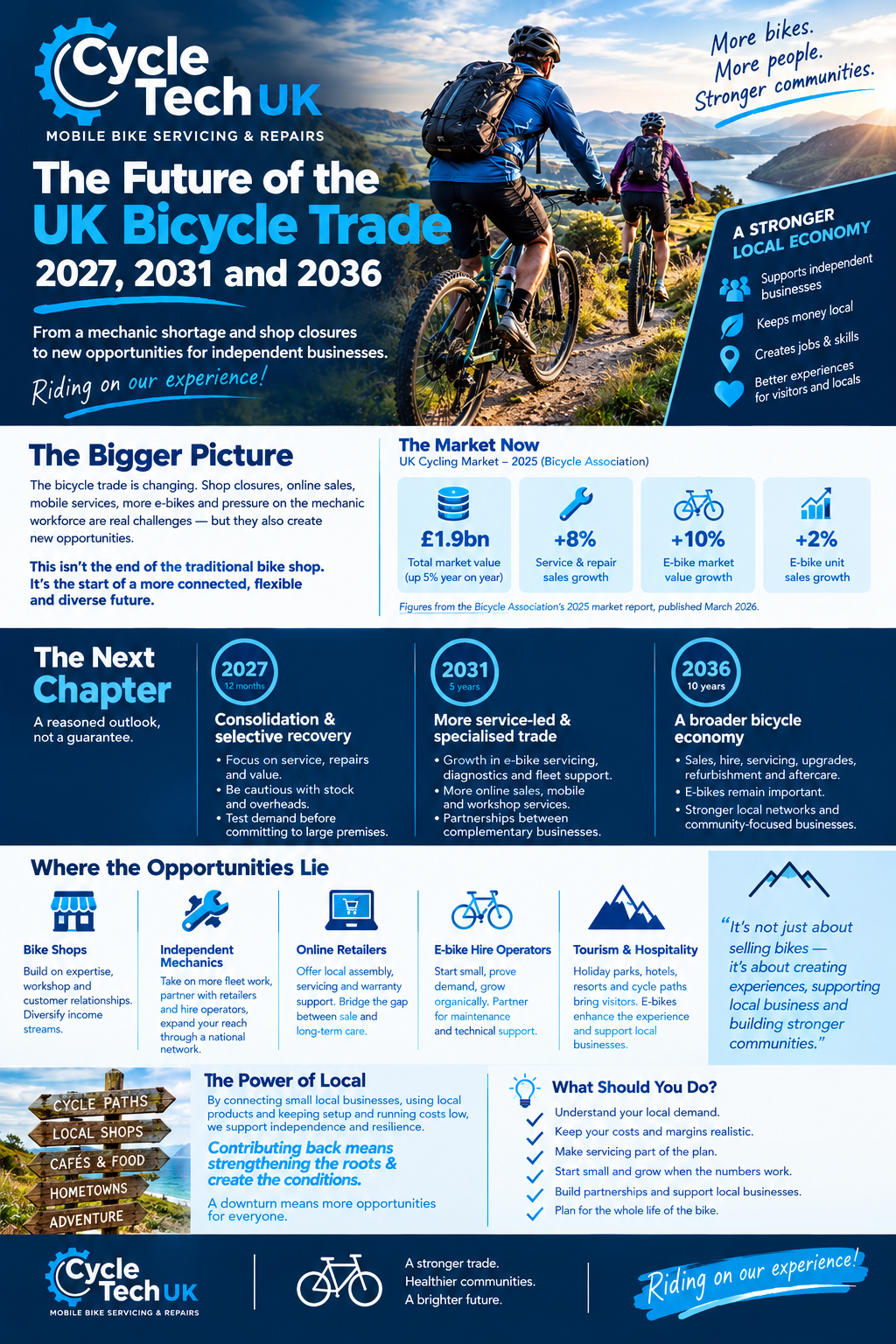
I believe 2027 will be an important year for the cycling trade. Manufacturers, brands and e-bike system suppliers will increasingly need to put aftercare and long-term customer support at the heart of what they do.
China mass-produces the good, the bad and the ugly. But it would be a mistake to dismiss everything coming out of China. Some manufacturers are developing good products and beginning to understand what customers and mechanics need.
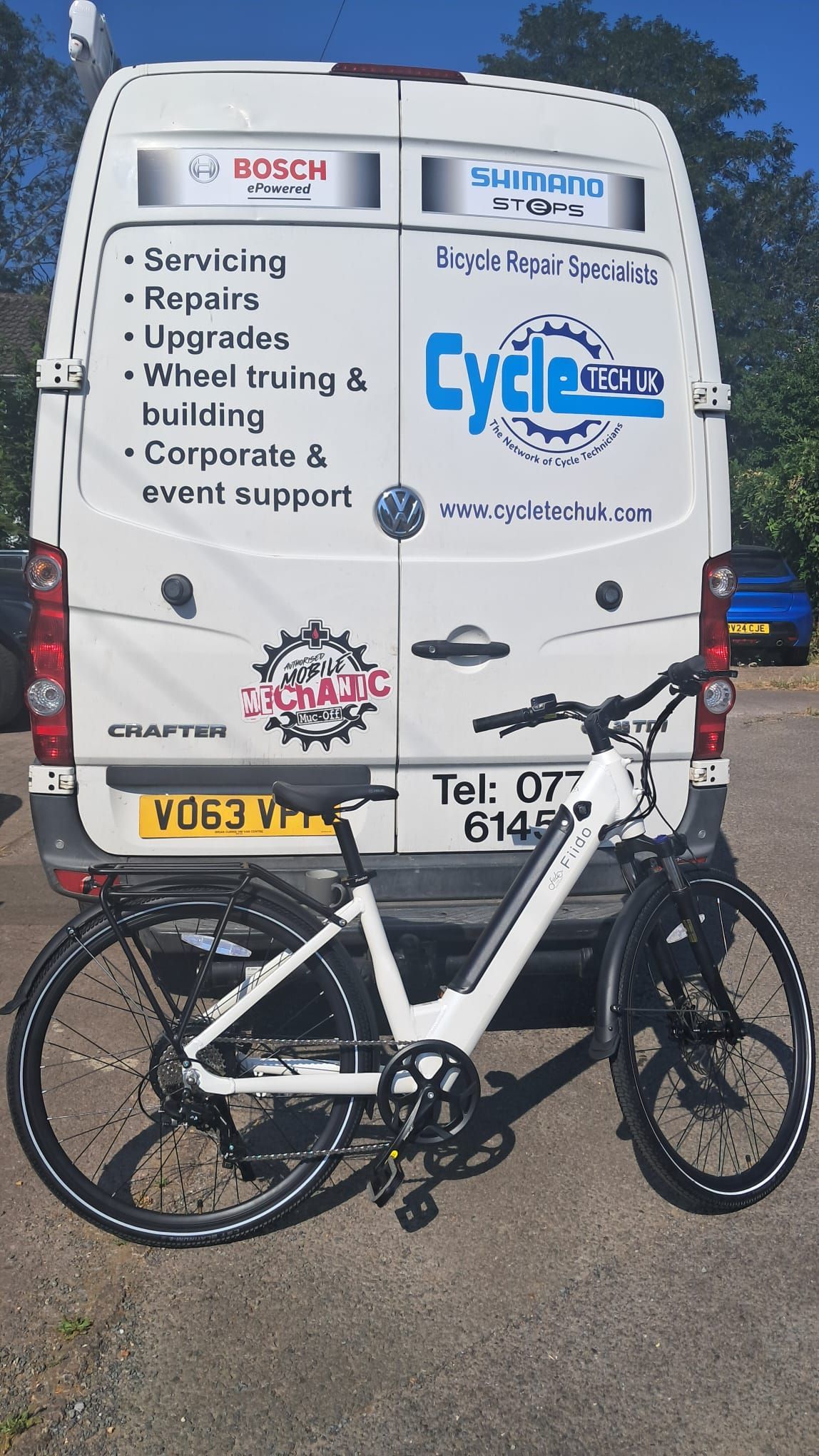
Fiido, a Chinese e-bike brand with a manufacturing facility in France, is producing some interesting mid-range commuter e-bikes. Its range has improved, and what particularly interests me is the way it has made it easier for customers to carry out certain repairs themselves, while also helping mechanics support them.
I've used its support system myself, and our mechanics have been reporting back on how straightforward it is to deal with Fiido. It's a simple but effective approach, and one that makes a real difference when something goes wrong.
Then we have Shimano, a Japanese company continuing to develop its e-bike motor technology.
Its latest EP810 motor replaces the EP801 as its flagship e-MTB system. Delivering up to 100Nm of torque and 750W peak power, while weighing just 2.3kg, it represents another step forward in motor development.
But what interests me is not simply the increase in power. Shimano has introduced Trail+ and Auto Assist, which adjust assistance according to the terrain and the rider's input.
There is a clear emphasis on controlled power delivery, traction and a more natural riding experience. It's about the relationship between the motor, the bike, the rider and the trail.
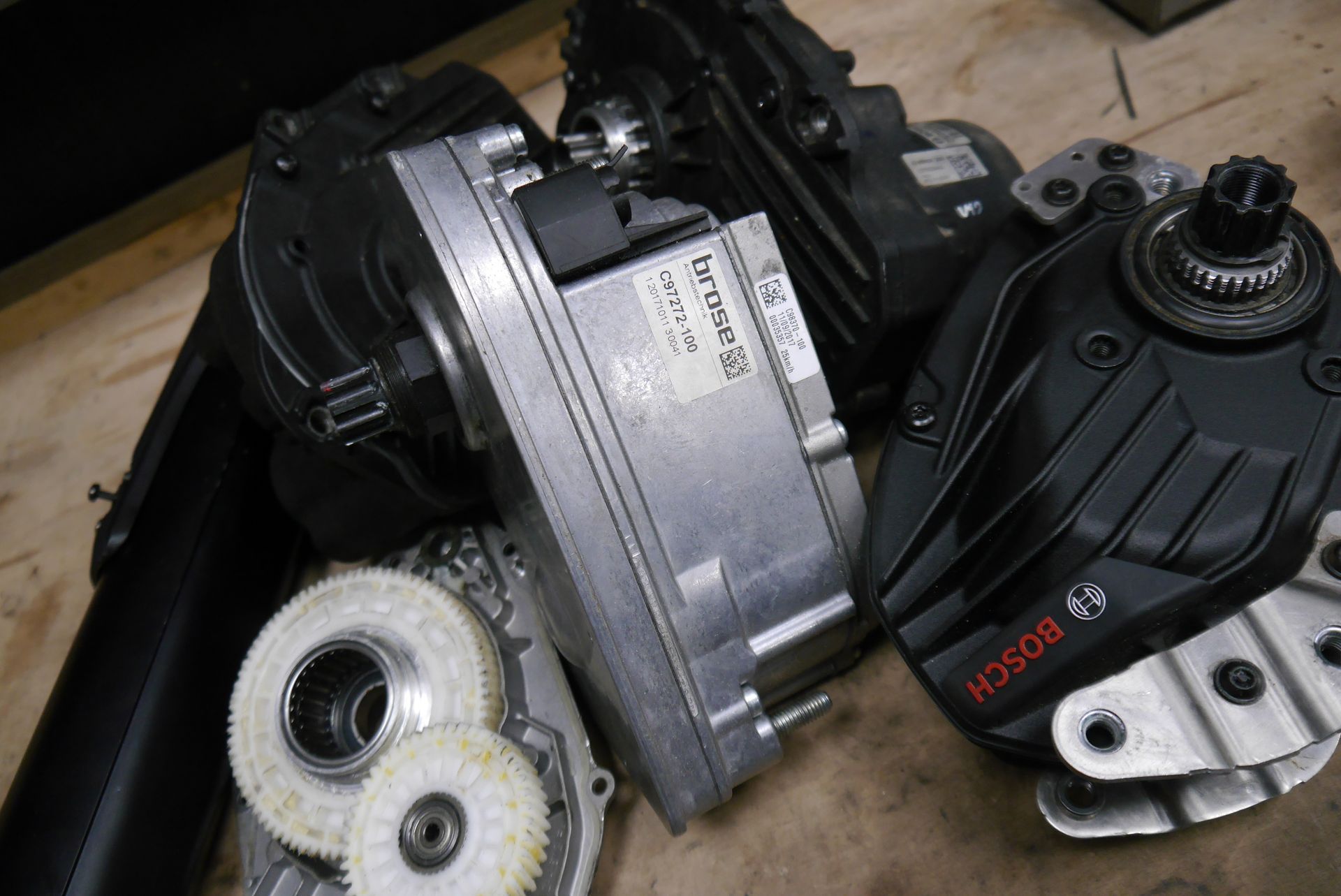
Bosch, a German company, continues to produce a wide range of e-bike systems for different types of bikes and riders. Its established position in the market is supported by a comprehensive approach to technical development and aftercare.
What these three companies have in common is an understanding that the rider matters beyond the initial sale.
And that's important in a world increasingly driven by mass production and consumption.
I suspect Shimano's thinking isn't simply about producing more power. It's about delivering assistance sympathetically, without overpowering the bike or putting unnecessary demands on its components. There is a balance between the motor, the bike's components, the rider and the trail. More power isn't always better.
Aftercare is part of the product
Fiido, Bosch and Shimano are approaching aftercare in different ways, but there is a common thread: making ownership and maintenance easier.
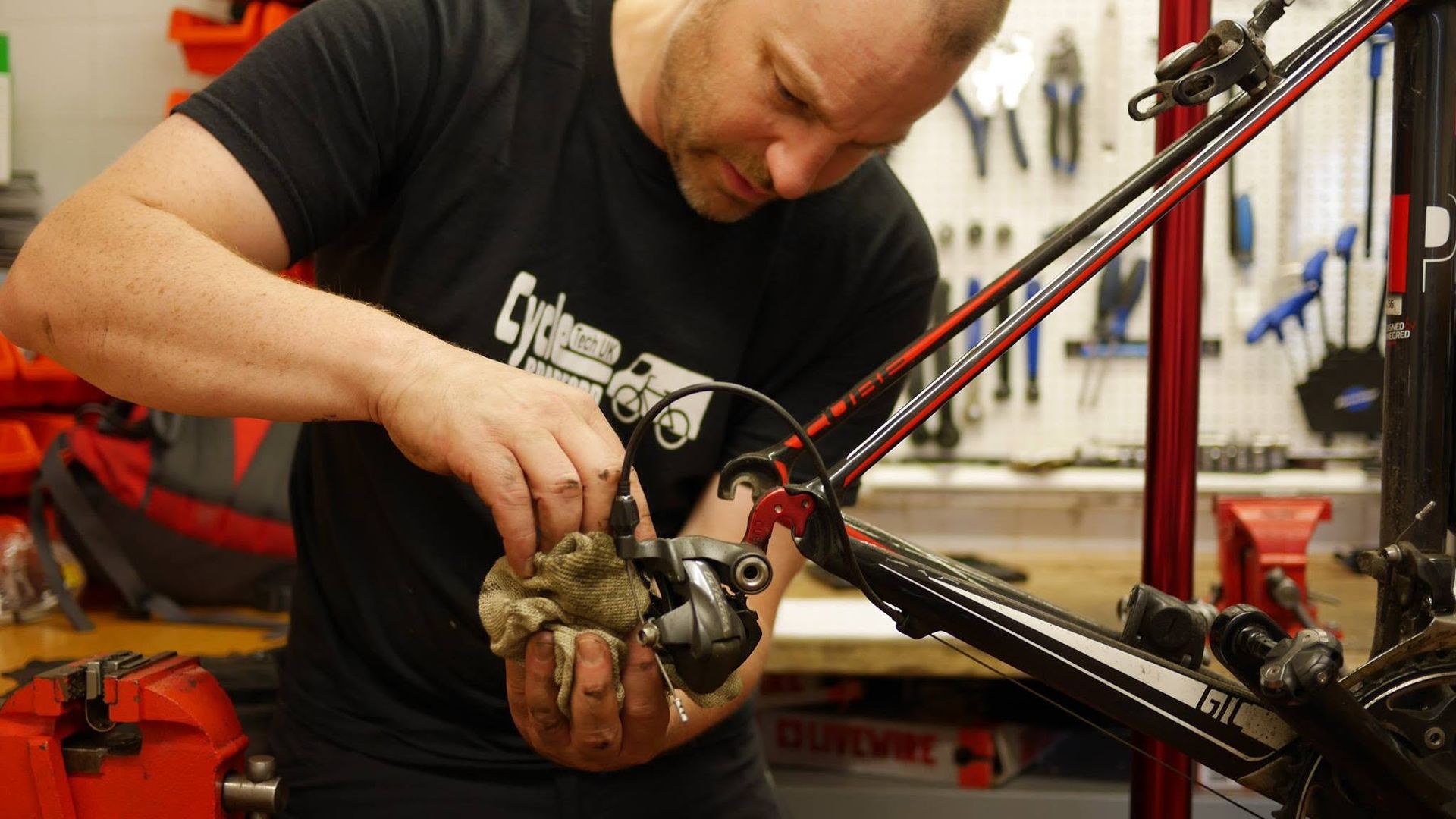
Fiido is making certain repairs more accessible to customers and providing useful support for mechanics.
Bosch and Shimano make it easier for trained mechanics to work on their systems by providing technical data, diagnostic access, software updates, training, parts availability and warranty support.
These are the things customers want to hear before buying a new e-bike.
They want to know:
- Who will look after my bike if something goes wrong?
- Can a local mechanic work on it?
- Are parts and technical information available?
- What happens when the warranty expires?
- Will the manufacturer still support me in a few years' time?
These are not extras. They are part of the ownership experience.
Support beyond the warranty
Bosch and Shimano also deserve recognition for the support they provide beyond the initial sale.
From our own experience, and feedback from mechanics within the Cycle Tech UK network, both manufacturers have demonstrated a willingness to help customers beyond the standard two-year warranty.
For original owners, we have seen replacement motor and battery cases where discounts of around 50% have been offered, depending on the circumstances. We have also experienced goodwill support in some cases after five years.
These decisions are made on a case-by-case basis, rather than being guaranteed entitlements. But they demonstrate something important: a manufacturer continuing to take an interest in the customer after the warranty has expired.
A changing landscape
This comes at a time of considerable change in the cycling trade.
We have seen Raleigh's UK business close its doors, while the Haibike brand has been acquired by Bike Tree, part of Singapore-based Dutech Holdings.
Dutech has also acquired several other former Accell brands, building a substantial portfolio of European bicycle names.
For existing Haibike owners, particularly those with Yamaha-powered bikes, the question is what happens next with technical support, parts, warranty arrangements and access to authorised dealers.
Yamaha support has traditionally relied on its dealer network, but finding a suitable dealer has become increasingly difficult in some areas. It will be important to see how the new ownership arrangements affect that support and where customers will be directed.
At present, Bosch remains prominent in the Haibike range. But we will have to wait and see which e-bike systems Dutech chooses for future models.
Will it continue with established European and Japanese suppliers, introduce other manufacturers, or develop a different approach? There is plenty still to be seen.
Direct to consumer – a better relationship with the trade
We should also recognise the improvements made by online, direct-to-consumer businesses such as Canyon.
Brands like Canyon can sell with confidence because they know that established e-bike systems, including Bosch and Shimano, have service agents available to support their customers. Through networks of independent mechanics and service partners, that support can reach riders across the UK and Europe.
Canyon has also built itself a good reputation with its customers. Riders return to buy their next bike, which says something about the relationship the company has developed with them.
I've experienced this support first-hand. I've replaced dropper posts supplied free of charge by Canyon, and our mechanics have also replaced forks supplied by Canyon, with the company covering the labour costs.
That's how aftercare should work. The customer gets looked after, the mechanic is paid for their time, and the brand protects its reputation.
The bike trade has improved, and I think this is where we need to focus our attention: recognising and supporting the manufacturers and retailers who take responsibility for their customers beyond the initial sale.
It doesn't matter whether a bike is bought online or from a traditional shop. What matters is what happens afterwards.
We should support those who support the customer.
A better way forward
I don't necessarily see these changes as a bad thing. More choice can be good for the customer, provided it doesn't come at the expense of support or make things unnecessarily complicated for the mechanic.
The companies that understand this will be better placed to build lasting relationships with their customers and the independent mechanics who look after their bikes.
For me, this is what a better way of doing business looks like.
It's not simply about selling more e-bikes. It's about taking responsibility for what happens after the sale, making repairs accessible, supporting the mechanic and giving the rider confidence that someone will be there when they need help.
As we move into 2027, I expect aftercare to become an increasingly important part of the conversation.
Because selling the bike is only the beginning. Supporting the rider is what builds trust.
Cycle Tech UK – Personally Known. Professionally Trusted.
Riding on our experience.
Read: Challenging the business decision — Can you afford not to have a trusted UK-wide network supporting your customers?